
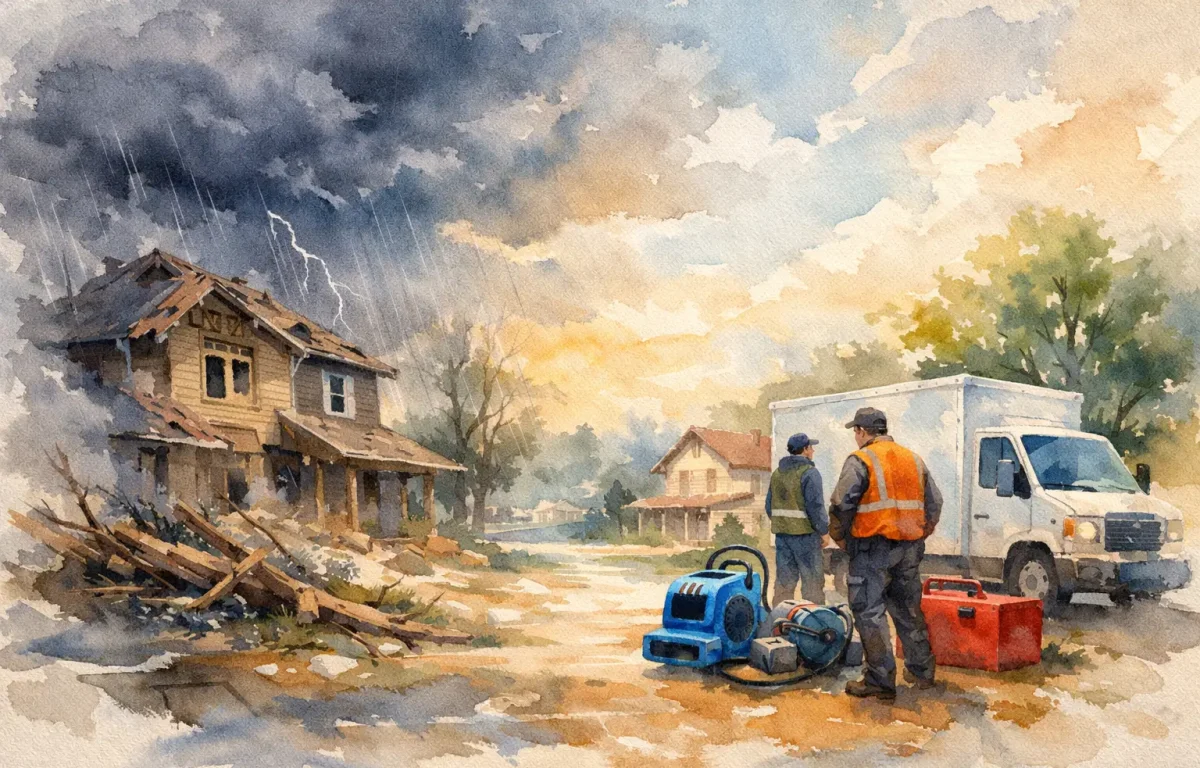
The morning after a hailstorm or high-wind event, most homeowners are not thinking about contractor terminology. They are looking at missing shingles in the yard, water stains on the ceiling, bent gutters, and siding that suddenly does not look right. In that moment, the right storm damage restoration company can make the difference between a controlled recovery and a long, expensive mess.
Storm damage is rarely limited to one visible problem. A roof leak might be the issue that gets your attention first, but the same storm can also damage flashing, gutters, trim, skylights, and siding. That is why homeowners across Upstate South Carolina are usually better served by a restoration partner that can inspect the full exterior, explain what actually happened, and manage the work from start to finish.
What a storm damage restoration company really does
A true storm restoration contractor does more than patch a leak and move on. The job starts with a detailed inspection of the roof and surrounding exterior systems. Wind can lift shingles without tearing them off completely. Hail can bruise roofing materials in ways that are easy to miss from the ground. Gutters can loosen, fascia can take on water, and siding can crack or separate at seams.
A qualified company looks at the whole picture because storm damage tends to travel. Water follows weak points. If one part of the exterior is compromised, nearby components often need attention too. That broader approach matters when you are trying to protect your home, avoid repeat repairs, and document damage clearly for an insurance claim.
For many homeowners, the other major part of the job is guidance. Storm restoration can involve inspections, temporary protection, written proposals, claim documentation, scheduling, material coordination, and final cleanup. A dependable company helps you move through that process without making you chase every detail yourself.
Why local experience matters after severe weather
Not every contractor understands what storm recovery looks like in Upstate South Carolina. Roofing systems here have to stand up to strong thunderstorms, hail, wind-driven rain, humidity, and heat. Local knowledge matters because the signs of damage, the common repair needs, and even the pace of claim activity can vary by region.
A local company also has a reputation tied to the communities it serves. That matters in places like Laurens, Anderson, Greenwood, Greenville, and Spartanburg, where homeowners want someone who will still be around if a question comes up after the project is complete. Storm-chasing contractors often appear right after major weather events, promise fast work, and disappear just as quickly. A local restoration company has more at stake, which usually translates into better accountability.
There is also a practical side to hiring local. Faster response times can help limit interior damage, especially when active leaks are involved. If emergency tarping or temporary protection is needed, speed is not a luxury. It protects insulation, ceilings, framing, and personal property from getting hit twice.
How to evaluate a storm damage restoration company
The first thing to look for is licensing, bonding, and insurance. Homeowners should not have to guess whether a contractor is properly set up to do this work. When a company is clear about its credentials, it shows professionalism and reduces risk for the property owner.
Next, pay attention to how the inspection is handled. A serious contractor does not make major recommendations from the driveway. They inspect the roof, check related exterior systems, take documentation seriously, and explain their findings in plain language. If the damage is minor, they should say so. If replacement makes more sense than repeated repairs, they should be able to explain why.
Written proposals are another strong signal. After a storm, homeowners are under pressure and often dealing with insurance deadlines, family stress, and uncertainty about cost. Verbal estimates are not enough. A trustworthy company should outline the scope of work clearly so you understand what is being repaired or replaced, what materials are being used, and how the process will move forward.
Project management matters more than many people realize. Storm restoration is not just a labor job. It is a coordination job. When one point of contact oversees the project, communication tends to be better, timelines are easier to track, and loose ends are less likely to get missed.
Insurance support can save time and frustration
Many homeowners have never filed a storm-related property claim before. They know something is damaged, but they are not sure what the insurance company needs, what counts as storm damage, or how to document the issue properly. This is where an experienced storm damage restoration company provides real value.
Insurance support does not mean making promises no contractor should make. It means helping homeowners understand the visible damage, organize documentation, and present the scope of storm-related issues clearly. Good contractors know how to prepare thorough inspection notes and explain what they found in a way that supports the claims process.
There is an important trade-off here. Homeowners should want a contractor who is helpful with insurance, but not one who sounds careless or unrealistic. If someone guarantees claim approval before a full review, that is a red flag. The better approach is straightforward and honest: document the damage carefully, communicate clearly, and let the claim process play out based on the facts.
Roof damage is only part of the story
Most people think roof first, and for good reason. Missing shingles, punctures, lifted tabs, and flashing damage can quickly turn into leaks. But storm recovery usually works best when the roof is treated as part of a complete exterior system.
Gutters and downspouts may be bent, detached, or clogged with granules after a storm. Trim can loosen or start taking on water. Siding may crack from hail impact or pull away under wind pressure. Skylights can develop seal issues or surrounding flashing problems. If those related areas are ignored, the house may continue to take on water even after roof work is done.
That is why full-service exterior restoration is so useful for homeowners. Instead of juggling multiple contractors, you can work with one team that understands how the different components work together. It is simpler, faster, and often easier to manage when insurance documentation is involved.
Signs you should call sooner rather than later
Some storm damage is obvious. A tree limb through the roof does not require much interpretation. More often, though, the signs are subtle at first. You may notice a water spot that was not there before, shingle pieces in the yard, dented metal vents, gutter sections pulling away, or siding that looks warped after a storm.
Delaying an inspection can make things harder. Water damage tends to spread quietly. Small openings in the roofing system can allow moisture into decking, attic spaces, or wall assemblies long before a major leak becomes visible indoors. Waiting can also complicate claim documentation if the timeline of damage becomes less clear.
A prompt inspection does not automatically mean a full replacement is needed. Sometimes the right answer is a targeted repair. Sometimes it is monitoring a minor issue. The point is to get clear information early, before a manageable problem becomes a larger one.
What homeowners should expect from start to finish
A professional restoration process should feel organized. It starts with a fast response and a careful inspection. From there, the homeowner should receive a written explanation of what was found and what work is recommended. If insurance is involved, documentation should be clear and complete.
Once the project moves forward, communication should stay consistent. You should know who is managing the job, when work is expected to begin, what materials are being used, and what happens if hidden damage is found. Cleanup should not be treated like an extra. Nails, debris, and leftover materials have no place scattered around your property after the crew leaves.
That level of follow-through is part of what separates a dependable contractor from a basic roofer. A company like Extreme Roofing is built around that full-service model because storm recovery is not just about replacing what broke. It is about protecting the home, reducing stress, and helping the homeowner feel in control again.
The best choice is rarely the fastest pitch
After a storm, urgency is real, but rushing into the wrong agreement creates its own problems. The best contractor is not always the one with the most aggressive sales approach. It is the one that shows up, inspects thoroughly, explains the situation honestly, and stands behind the work.
Homeowners need practical help, not pressure. If your roof, gutters, siding, or skylights may have been damaged, the smartest next step is to get the property inspected by a qualified local team that understands storm restoration from every angle. A calm, well-managed response now can protect your home for years after the weather clears.