
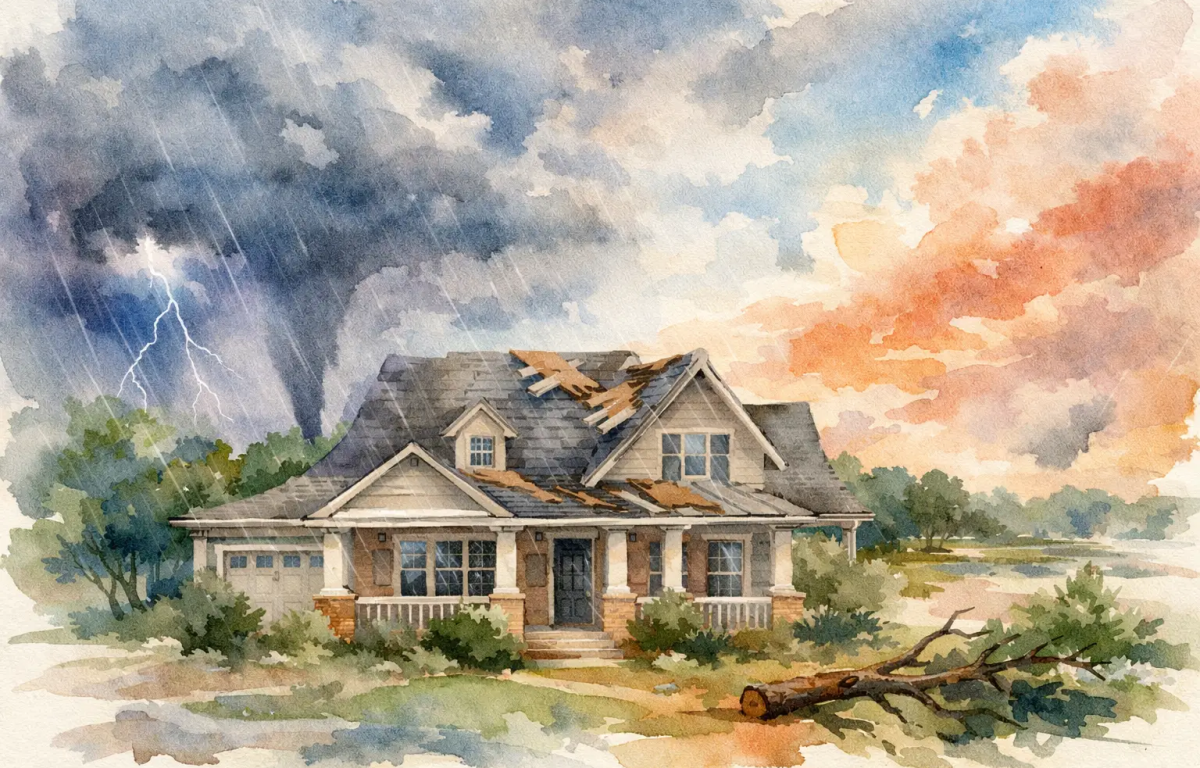
A storm can leave your roof damaged even when it looks mostly fine from the driveway. A few lifted shingles, bruised spots from hail, or torn flashing around a vent can become a leak weeks later. This homeowner guide to storm roof claims gives Upstate South Carolina homeowners a practical path from the first inspection to a completed repair or replacement.
The goal is not to rush into a major project or argue with your insurance company alone. It is to protect your home, document the facts, and make decisions based on a clear inspection and your actual policy coverage.
Start With Safety and Prevent Further Damage
After high winds, hail, or a heavy thunderstorm, do not climb onto the roof to investigate. Wet shingles, loose materials, hidden soft spots, and downed power lines create real hazards. Walk around the property from the ground if it is safe to do so, and look for obvious signs such as missing shingles, shingle pieces in the yard, dented gutters, damaged siding, broken skylights, or limbs on the roof.
Inside, check the attic and upper ceilings for fresh water stains, dripping, damp insulation, or a musty smell. Take photos and video of anything you find, including the date if your phone does not automatically record it. If water is entering the home, take reasonable steps to limit additional damage. A temporary tarp, a bucket under an active drip, or moving furniture away from a leak can help protect the property while you arrange a professional inspection.
Most insurance policies require homeowners to prevent avoidable additional damage after a loss. Temporary protective work is different from making permanent repairs before the insurer can inspect the damage. Save receipts for emergency materials or mitigation services, and keep a simple record of what was done and when.
Get a Professional Storm Damage Inspection
Storm damage is not always visible from the ground. Wind may loosen shingles without removing them. Hail can leave impact marks that reduce the roof’s service life but are easy to miss without close inspection. Damage can also affect gutters, fascia, trims, siding, vents, and skylights.
A qualified local contractor should inspect the entire exterior system, not just the most visible spot. Ask for clear findings and a written proposal that separates storm-related damage from maintenance concerns or normal age-related wear. That distinction matters when you speak with your insurance company.
For homeowners across Laurens, Anderson, Greenwood, Greenville, and Spartanburg, local experience matters. Upstate storms can bring hard rain, wind-driven debris, and hail in a short period of time. A contractor familiar with these conditions can document damage thoroughly and recommend the right scope of work for the home.
Be cautious if someone arrives uninvited immediately after a storm and pressures you to sign paperwork on the spot. A reputable contractor will explain the inspection findings, answer questions, provide insurance and licensing information, and give you time to review the proposal.
Know What Your Policy May Cover
Insurance coverage depends on your specific policy, deductible, endorsements, roof age, and the cause of damage. A sudden covered event, such as hail or wind from a storm, may be treated differently than roof deterioration, poor installation, long-term leaks, or deferred maintenance.
Read the declarations page and policy language before filing if you can. Pay attention to your deductible, including whether your policy has a separate wind or hail deductible. Also check whether the roof is covered at replacement cost value or actual cash value. Replacement cost coverage may pay the cost to restore covered damage, subject to policy terms and depreciation rules. Actual cash value coverage generally accounts for the roof’s age and condition, which can mean a smaller payment.
Do not assume a claim will automatically result in a full roof replacement. The insurer may approve repair work, a partial replacement, or damage to certain components only. Your contractor can help you understand the repair scope and identify related exterior damage, but your insurance carrier makes the final coverage decision.
How to File a Storm Roof Claim
Once you have documented the damage and received an inspection, contact your insurance carrier using the claims number on your policy documents. Report the date of loss as accurately as possible. If you are unsure of the exact date, use weather records, photos, or the date you first noticed damage, and explain what you know honestly.
When you file, ask for a claim number and write down the name and contact information of everyone you speak with. Keep all claim communication, photos, inspection reports, proposals, receipts, and emails in one folder. A simple paper folder works, but a digital folder backed up to your email or cloud storage is even better.
Your carrier will typically assign an adjuster to inspect the property. Schedule your contractor to be present if possible. This is not about confronting the adjuster. It is about making sure the adjuster has access to the documented damage and can ask questions about the proposed repairs. A professional contractor can point out affected roof areas and exterior components that may be overlooked during a quick inspection.
For a smoother claim, have these items ready:
- Photos and videos taken immediately after the storm
- The date and approximate time of the storm event
- A written inspection report and repair or replacement estimate
- Receipts for temporary repairs or emergency mitigation
- Your claim number and the adjuster’s contact information
Review the Insurance Estimate Carefully
After the adjuster completes the inspection, you should receive a claim estimate or settlement explanation. Do not focus only on the total dollar amount. Review the listed materials, measurements, labor items, waste allowance, flashing, ventilation, gutters, and other components that apply to your property.
Insurance estimates can use abbreviations and line items that are difficult for homeowners to read. Ask your contractor to compare the estimate with the actual damage and the work needed to restore the roof properly. If an item is missing or the scope does not match the inspection findings, the contractor may provide supporting documentation for the carrier to review.
This process can take time, especially after widespread storm activity. A request for additional documentation is not necessarily a denial. It may mean the carrier needs clearer photos, measurements, or evidence of damage. Stay responsive, keep your records organized, and avoid starting permanent work until you understand the approved scope and payment process.
Choose a Contractor Who Will Be There After the Claim
A storm claim is only one part of the restoration. The quality of the installation determines how well your home is protected when the next storm arrives. Look for a licensed, bonded, and insured contractor that provides a detailed written proposal, communicates clearly, and can manage connected exterior work when needed.
Ask who will oversee the project, how the property will be protected during construction, and how cleanup will be handled. You should also understand the warranty terms, material choices, expected schedule, and payment arrangement before work begins. A low price may look attractive, but it can leave out critical items such as flashing replacement, proper ventilation, or site cleanup.
Extreme Roofing helps homeowners move from storm inspection to final walkthrough with clear documentation, insurance-claim support, and hands-on project management. Whether the right answer is a targeted repair or a full replacement, the work should match the actual condition of the home and the approved scope.
Avoid These Costly Claim Mistakes
The biggest mistake is waiting too long to act. Small storm openings can allow water into decking, insulation, and drywall, creating a larger repair later. Contact a professional promptly if you see missing shingles, active leaks, impact damage, or damaged roof accessories.
Another mistake is treating an insurance payment as a blank check. Claim funds are intended to restore covered damage, and the final amount may include deductible responsibilities or recoverable depreciation. Review the paperwork, ask questions before signing contracts, and make sure the planned work is documented in writing.
Finally, do not let uncertainty keep you from getting an inspection. A good inspection does not force you to file a claim. It gives you reliable information about your roof, helps you address urgent problems, and lets you make the next decision with confidence. After the storm clouds clear, a prompt, professional inspection is one of the best ways to protect both your home and your peace of mind.