
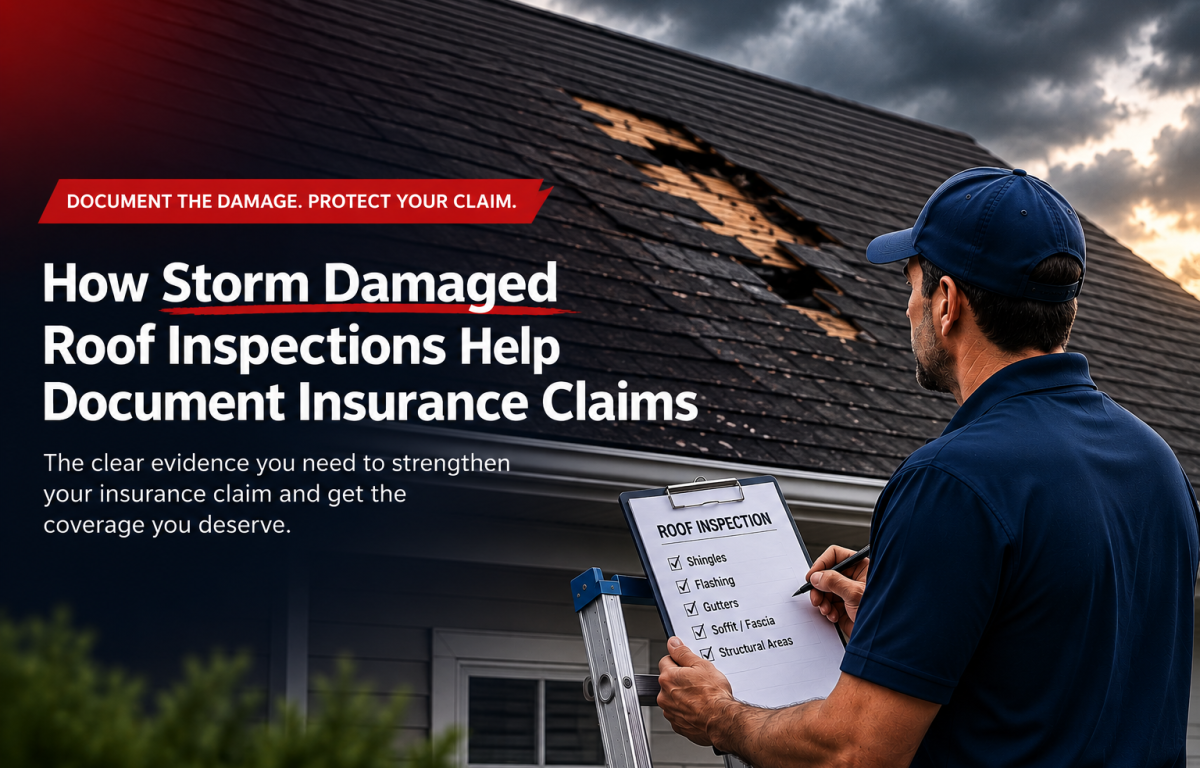
When a storm strikes, roof damage can quickly turn into a stressful situation. For homeowners across South Carolina, the insurance claims process typically follows a clear and predictable path. Insurance claims can be hold or rejected when there is not enough proof to separate unexpected storm damage from long-term wear.
A roof inspection prepares a solid evidence trail for insurers, from dated photos to mapped locations, and concise notes on the cause. It shows what, where, and how the storm affected your roofing structure. Let us explore the supporting role of a roof condition report in an insurance claim.
What Insurance Companies Actually Look For?
Insurers want a clear connection between the storm event and the reported roof damage. They examine the date of loss, the stated cause, and whether the observed condition resulted from wind, hail, or another covered event. They also review your roof’s pre-loss condition because gradual wear, corrosion, and deferred maintenance may not be covered. Evidence that separates recent storm impact from older, degraded conditions can help clarify which damage relates to the claim.
How Baseline Reports Strengthen a Claim?
A baseline roof report records the property’s condition before a storm occurs which ideally completed before storm season. It documents roofing materials, existing wear, vulnerable areas, and previously identified defects. Dated photographs and mapped locations create a clear record of what was already present.
This information becomes especially useful when severe weather causes new damage. An assessor can compare the roof’s documented pre-storm condition with its condition after the incident. As a result, it can reduce confusion about pre-existing defects and provide stronger proof when an insurance claim is reviewed.
Why Post-Storm Inspections Matter for Insurance Approval
A post-storm inspection from a trusted roofing company in Anderson, SC documents damage quickly, helping insurers connect roof problems to the reported event. This is how it supports easy and quick approval.
1. Establishes the Cause of Damage
A professional storm damaged roof inspection can identify signs associated with wind, hail, heavy rain, or falling debris. This helps create a clearer connection between the storm and the reported damage.
2. Documents Existing Conditions
Assessment findings can distinguish fresh storm damage from older wear, degradation, or maintenance issues. This distinction helps insurers determine which problems may relate to the covered event.
3. Provides Detailed Proof
Photos, measurements, mapped damage locations, and assessment notes create organized documentation. Clear evidence gives adjusters useful information when reviewing the condition and scope of the roof.
4. Supports Accurate Repair Estimates
A detailed check identifies damaged materials and areas requiring attention. This information helps contractors prepare repair estimates that correspond with documented conditions.
5. Helps Prevent Further Damage
Early inspections can uncover openings or damaged components that allow water inside. Identifying these issues quickly allows you to take appropriate temporary measures and document those actions for the claim.
A post-storm inspection does not guarantee insurance approval, but make it easier for insurers to understand the damage and assess the claim fairly.
End Note
Storm damaged roof inspections can give homeowners valuable documentation when dealing with storm-related insurance claims. A detailed inspection helps identify damage, preserve evidence, and explain the repairs that may be needed.
If you or your loved ones faced such an incident and need roof insurance claim help in Laurens SC, consult Extreme Roofing LLC. Our team brings unmatched expertise and attention to detail to evaluate your roof’s damaged state. Call now to help you prepare your roof condition report.
FAQs
1. What does a storm-damaged roof inspection document?
It records damaged shingles, flashing, gutters, vents, and signs of water intrusion. Photos, measurements, and notes help create a clear damage record.
2. Can roof inspections help prove storm damage?
Yes, inspection reports can connect specific roof damage with wind, hail, or other storm events. They also help distinguish recent damage from existing deterioration.
3. Should I inspect my roof immediately after a storm?
Arrange a professional inspection as soon as conditions are safe after severe weather. Early documentation can preserve important evidence before repairs or further damage occur.
4. Does a roof inspection guarantee insurance claim approval?
No, an inspection cannot guarantee that an insurer will approve your claim. However, detailed documentation can provide stronger evidence for the claims review process.
5. Can Extreme Roofing help with storm-damage insurance claims?
Yes, Extreme Roofing provides storm-damage assessments and insurance support for homeowners across Upstate South Carolina.