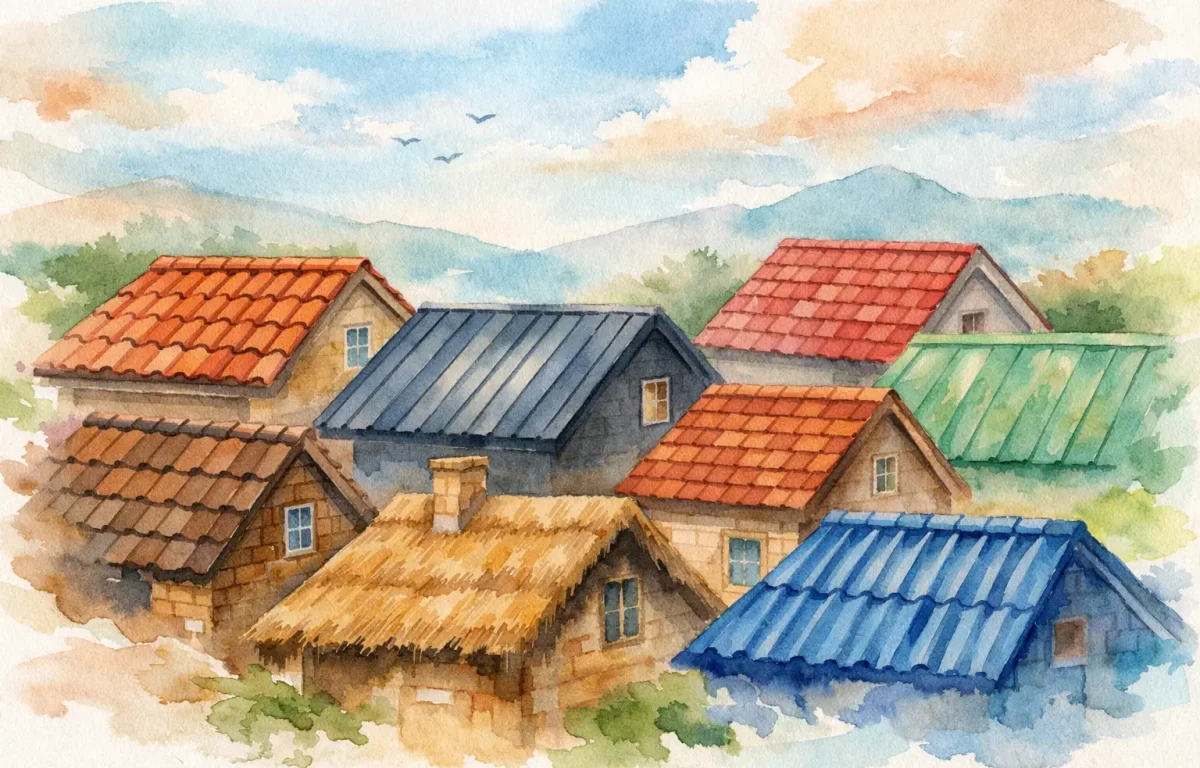
A roof in Upstate South Carolina has to take a beating. One season it is high heat and humidity, the next it is wind-driven rain, hail, and storm debris. That is why choosing the best roof replacement materials is not just about curb appeal. It is about how well your home stands up to the next round of weather, how much maintenance you want to deal with, and how long you expect that investment to last.
For most homeowners, there is no single material that wins in every category. The right choice depends on your budget, your home’s design, your neighborhood, and how much storm resistance matters for your property. If you are replacing a roof after storm damage, those trade-offs matter even more.
How to compare the best roof replacement materials
The smartest way to compare roofing options is to look past the sales pitch and focus on performance. A lower upfront price can be appealing, but if the material wears out faster or struggles in severe weather, it may cost more over time.
Start with five practical factors. First is lifespan. Some materials last 15 to 25 years, while others can protect a home for 40 years or more. Next is wind and impact resistance, which matters in areas that see strong storms and hail. Then look at maintenance, because some roofs need more regular attention to stay in good shape. Cost matters too, both for materials and installation. Finally, consider appearance, especially if you plan to stay in the home long term or want to protect resale value.
Asphalt shingles
For many homeowners, asphalt shingles remain the most practical answer when discussing the best roof replacement materials. They are widely used for a reason. They are affordable, available in many styles and colors, and they work well on most residential homes.
Architectural asphalt shingles are usually the better pick over basic 3-tab shingles. They are thicker, hold up better in wind, and generally deliver a stronger finished look. Many modern shingle systems also come with improved algae resistance and better manufacturer warranties.
The trade-off is lifespan. Even a good shingle roof typically will not last as long as metal, tile, or slate. Storm damage can also be a concern, especially if the roof is older or the shingles were not installed correctly. Still, for homeowners who want a solid balance of cost, appearance, and dependable protection, asphalt shingles are often the first place to start.
Best fit for asphalt shingles
Asphalt is a strong choice for homeowners who want dependable performance without stretching the budget too far. It also makes sense when you need a roof replacement relatively quickly after storm damage and want a material that is proven, familiar, and efficient to install.
Metal roofing
Metal roofing has become more popular across the South, and for good reason. It is tough, long-lasting, and well suited for homes that need stronger defense against wind and heavy weather. A properly installed metal roof can last decades, and it sheds rain efficiently.
There are a few types to consider, including standing seam panels and metal shingles. Standing seam tends to offer a cleaner, more modern look and excellent weather performance. Metal shingles can give you a more traditional appearance while still providing the benefits of metal.
The main drawback is the upfront price. Metal roofing usually costs more than asphalt, and installation takes experience. Not every contractor handles metal systems at the same level. Noise is another concern homeowners sometimes mention, but with proper underlayment and attic insulation, it is often less of an issue than people expect.
Best fit for metal roofing
Metal is a smart option for homeowners planning to stay put for years and willing to invest more now for longer service life and better storm durability. It also works well for homes where energy efficiency and low maintenance are high priorities.
Synthetic roofing materials
Synthetic roofing products are designed to mimic the appearance of slate, cedar shake, or tile while reducing weight and maintenance. For some homeowners, this category deserves serious attention when reviewing the best roof replacement materials.
These products can offer strong impact resistance, lighter structural load, and a high-end look without some of the weaknesses of natural materials. A synthetic slate roof, for example, may deliver the style of real slate without requiring the same level of structural support. Synthetic shake can give a home character without the moisture concerns of real wood.
The challenge is variation between manufacturers. Some synthetic products perform very well, while others are less proven over the long haul. That makes product quality and installation especially important. This is not the category where you want to gamble on the cheapest option.
Clay and concrete tile
Tile roofs are known for their distinct appearance and long lifespan. They can hold up for decades and provide excellent durability when installed on the right home. Concrete tile is usually more budget-friendly than clay, while clay offers a classic look many homeowners love.
In Upstate South Carolina, tile is less common than shingles or metal, but it can still be a good fit on certain architectural styles. The biggest issue is weight. Tile roofing is heavy, and not every home is built to support it without structural reinforcement.
Repairs can also be more specialized. If individual tiles crack from impact or foot traffic, replacement needs to be handled carefully. Tile is a premium option, but it is not always the most practical one for a storm-focused replacement project.
Wood shakes and shingles
Wood roofing has natural character that is hard to match. It gives a home warmth and texture that many manufactured materials try to imitate. Cedar is the most common choice in this category.
That said, wood comes with maintenance demands. It can be vulnerable to moisture, mildew, insects, and fire risk depending on the product and treatment. In humid conditions, those concerns become more important. Homeowners who love the look of wood need to be realistic about upkeep.
For that reason, wood is usually not the first recommendation for storm-conscious homeowners who want straightforward protection and lower maintenance. It can be beautiful, but beauty does not always equal practicality.
Natural slate
Slate is one of the longest-lasting roofing materials available. It offers a premium look, excellent durability, and a reputation for serious longevity. On the right home, it is hard to beat visually.
The trade-offs are cost and weight. Slate is expensive, and installation requires real skill. Like tile, it may also require structural evaluation before installation. If a slate roof is damaged, repairs are not always simple or inexpensive.
For most homeowners in this market, slate is more of a specialty choice than a standard recommendation. It can be a great fit for the right house and budget, but it is not usually the most practical answer after storm damage.
Which roof material makes the most sense in Upstate South Carolina?
If your top concerns are affordability, reliable performance, and a clean residential look, architectural asphalt shingles are usually the strongest overall fit. They work well for many homes in Laurens, Anderson, Greenwood, Greenville, and Spartanburg, especially when paired with proper ventilation and quality installation.
If you want longer lifespan and stronger storm performance, metal roofing is often worth the added investment. For homeowners who want a premium appearance without the weight of slate or tile, synthetic materials can be a strong middle ground.
The wrong way to choose a roof is by asking only which material is cheapest per square foot. The better question is which system gives your home the protection it needs over time. That includes underlayment, flashing, ventilation, and installation quality, not just the surface material.
A few practical questions to ask before you decide
Before signing off on any replacement, ask how the material performs in high winds, whether it has a strong impact rating, what kind of maintenance it needs, and how it fits your home’s structure. Ask about warranty coverage too, but do not stop there. A warranty is helpful, but workmanship still makes a major difference.
If your roof replacement is tied to storm damage, it also helps to work with a contractor who understands the insurance process and documents the full scope of exterior damage. Roof systems do not fail in isolation. Gutters, flashing, siding, and other exterior components may also need attention.
A good roof replacement should do more than patch the problem in front of you. It should give you confidence the next time bad weather rolls through. That is the kind of decision that protects both your home and your peace of mind.