
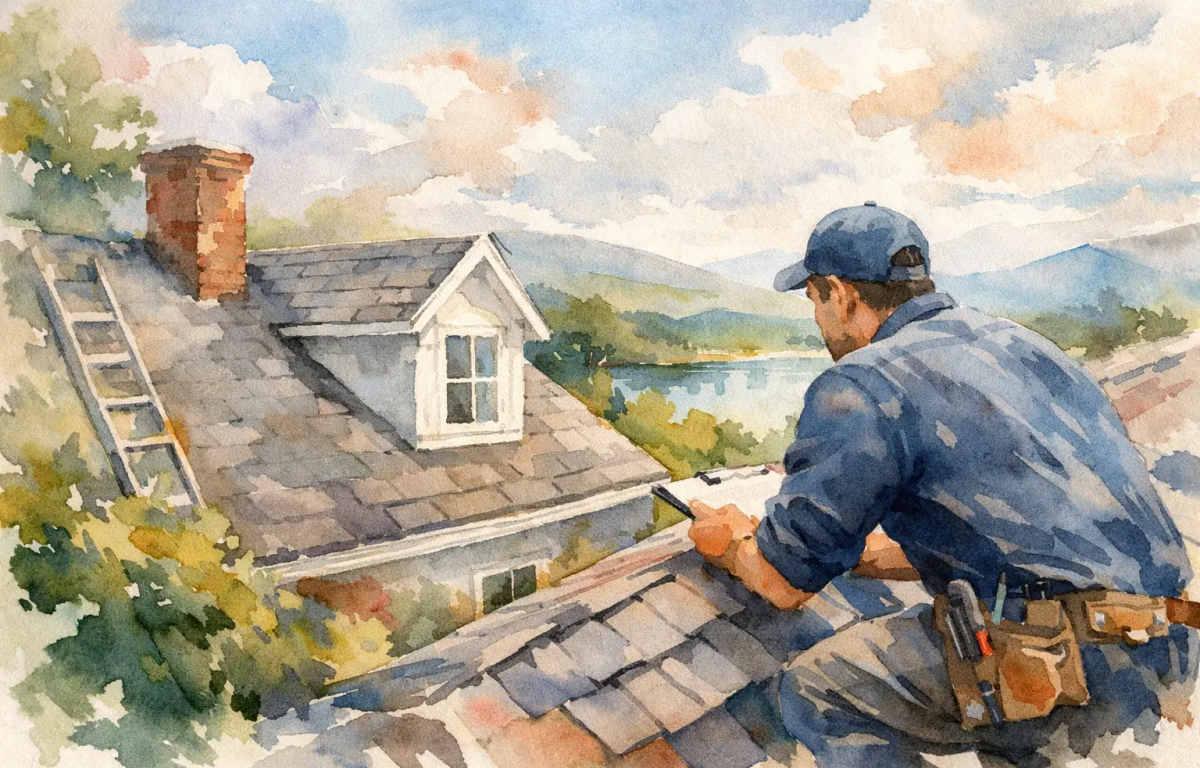
A roof inspection is not just something to schedule after water reaches the ceiling. In Upstate South Carolina, wind, hail, heavy rain, falling limbs, and summer heat can weaken a roofing system long before the damage becomes obvious indoors. Catching problems early gives you more options, protects your home’s value, and can prevent a manageable repair from becoming an emergency.
For homeowners in Laurens, Anderson, Greenwood, Greenville, Spartanburg, and surrounding communities, the right time to inspect a roof is often sooner than expected. A professional inspection provides a clear picture of your roof’s condition, documents storm-related damage when present, and helps you make decisions based on facts instead of guesswork.
When Should You Schedule a Roof Inspection?
Most homeowners should have their roof professionally inspected at least once a year, preferably before or after the most severe weather season. Age also matters. As shingles get older, they can lose protective granules, become brittle, and lift more easily in high winds.
You should schedule an inspection promptly after a hailstorm, strong wind event, or a tree limb strike. Do not wait for a leak to appear. Hail bruising, cracked shingles, loose flashing, and lifted seals may not cause immediate water intrusion, but they can shorten the life of the roof and leave the home vulnerable during the next hard rain.
There are also everyday warning signs that deserve attention. A water stain on a ceiling, granules collecting in gutters, a musty attic smell, shingles in the yard, or a sudden increase in moisture around a skylight can point to a roofing issue. These signs do not always mean you need a full replacement. They do mean it is time for a qualified contractor to look closer.
What a Professional Roof Inspection Should Cover
A complete roof inspection looks beyond the shingles you can see from the driveway. The purpose is to identify active damage, weak areas, installation concerns, and exterior components that affect how water moves away from the home.
The Roof Surface and Its Vulnerable Areas
The inspection should evaluate the condition of shingles or other roofing materials, including missing pieces, cracking, curling, blistering, exposed nail heads, granule loss, and signs of hail or wind impact. A trained inspector also checks ridges, hips, valleys, roof-to-wall transitions, vents, and pipe boots. These areas take on more water movement and are common sources of leaks.
Flashing deserves special attention. Metal flashing around chimneys, skylights, vents, and sidewalls is designed to direct water away from openings in the roof. If it is bent, loose, rusted, or poorly sealed, water can find its way beneath the roofing material even when the shingles look acceptable.
Gutters, Trim, and Exterior Drainage
Your roof and gutter system work together. Clogged, detached, or undersized gutters can allow water to overflow onto fascia boards, siding, and the foundation area. During an inspection, it makes sense to check gutters, downspouts, drip edge, soffit, fascia, and trim for damage or deterioration.
This is especially valuable after a storm. Wind can pull gutters away from the roofline, while hail can dent metal components and damage painted finishes. Addressing these issues as part of an exterior restoration plan helps protect more than the roof alone.
The Attic and Interior Evidence
Not all roof damage is visible from outside. An attic check can reveal water staining, damp insulation, mold-like growth, daylight coming through roof decking, or poor ventilation. Excess attic heat and moisture can affect shingle performance over time, so ventilation should be part of the conversation when roof work is being considered.
Interior stains should be evaluated carefully. Water can travel along framing before appearing on a ceiling, which means the stain is not always directly below the leak. A professional assessment helps locate the actual entry point instead of applying a temporary patch in the wrong place.
Why Storm Damage Is Easy to Miss
Storm damage is not always dramatic. A roof may survive a storm without missing shingles or visible holes, yet still have enough impact damage to affect its long-term performance. Hail can create subtle bruises that compromise the shingle’s protective layer. Strong gusts can break the seal between shingles, leaving them more likely to lift later.
Homeowners should also be cautious about climbing onto the roof after severe weather. Wet shingles, steep slopes, hidden soft spots, and debris create real safety risks. A ground-level look for obvious damage is reasonable, but documenting the condition and identifying less visible issues is work for a properly equipped professional.
A detailed inspection can be particularly helpful when an insurance claim may be necessary. Clear photos, notes on affected materials, and an honest assessment of storm-related damage give homeowners a stronger starting point. The goal is not to force a claim where repairs are enough. The goal is to make sure legitimate damage is not overlooked.
Repair or Replacement: What Determines the Right Call?
A roof inspection should lead to a practical recommendation, not a one-size-fits-all sales pitch. Whether repair or replacement makes sense depends on the roof’s age, the extent and location of damage, the availability of matching materials, and whether the issue is isolated or widespread.
A newer roof with a few wind-damaged shingles may be a good repair candidate. Replacing damaged shingles, resealing flashing, or repairing a pipe boot can stop a leak and restore protection without replacing the entire roof. If the roof has widespread hail damage, repeated leaks, failing shingles across several slopes, or is approaching the end of its expected service life, replacement may be the more dependable investment.
Matching is another factor. Older shingles may have faded from sun exposure, and the original color or style may no longer be available. A repair can still be appropriate, but homeowners should understand how appearance and future durability affect the decision.
What to Expect During the Inspection Process
A dependable inspection begins with listening. Before examining the roof, the contractor should ask what you noticed, when the issue started, what storms recently passed through the area, and whether you have seen leaks or exterior damage.
The inspection itself should include a close review of accessible roof areas and related exterior components. If conditions allow, the contractor may inspect the roof surface directly. In other cases, photos, ground-level observations, attic findings, and safe access methods may be used to evaluate the condition without taking unnecessary risks.
Afterward, you should receive a straightforward explanation of the findings. If work is needed, ask for a written proposal that identifies the recommended scope, materials, and expected next steps. For storm-related losses, it is helpful to understand what damage was found, what documentation is available, and how the contractor can support the claims process without making promises about an insurer’s final decision.
At Extreme Roofing, that process is built around detailed inspections, written proposals, and hands-on project management. Homeowners should know what is damaged, what needs attention now, and what can be monitored over time.
How to Prepare for a Roof Inspection
You do not need to do much before an inspection, but a little preparation makes the visit more useful. Move vehicles away from the driveway if possible, secure pets, and make sure the contractor can access the attic if there are interior leak concerns. If you have photos from the storm, notes about when a leak appeared, or insurance correspondence, keep them available.
Avoid pressure-washing the roof or trying to repair suspected damage yourself before it is documented. Temporary steps to limit water intrusion may be necessary during an active leak, but take photos first when it is safe to do so. Early documentation can be useful if storm damage is involved.
Do Not Wait for a Small Problem to Grow
Roofing issues rarely improve with another season of rain and wind. A loose shingle can become a leak, a minor leak can damage decking and insulation, and a gutter problem can spread water damage to trim and siding. Acting early usually gives you more control over cost, timing, and repair options.
If your home has been through a recent storm or you have noticed a change in your roof’s appearance, schedule a professional roof inspection before the next round of weather tests it again. A clear assessment today can help protect your home and restore your peace of mind tomorrow.