
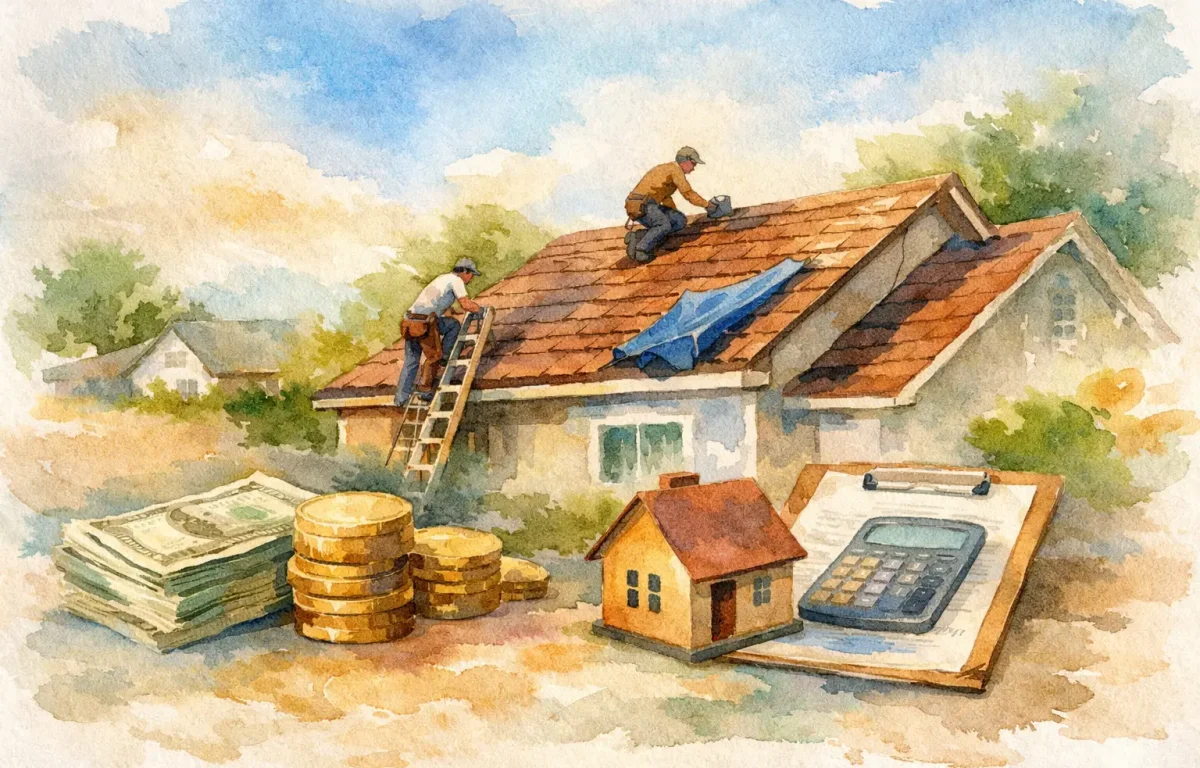
A roof usually does not fail at a convenient time. In Upstate South Carolina, it often happens after high wind, hail, or a storm that leaves you staring at missing shingles, water stains, or a tarp stretched across your home. When the need is urgent, roof replacement financing becomes less about shopping and more about protecting your house before the next round of weather rolls in.
The good news is that homeowners usually have more than one way to pay for a new roof. The harder part is knowing which option actually fits your budget, your timeline, and your insurance situation. A payment plan that looks fine on paper can become expensive fast if you do not understand the terms.
When roof replacement financing makes sense
If your roof was damaged in a storm, insurance may cover part or most of the replacement cost. Even then, financing can still help. Many homeowners need a way to cover a deductible, pay for upgrades not included in the claim, or move quickly while claim details are still being finalized.
Financing also makes sense when the roof is simply at the end of its life. Asphalt shingles do not last forever, and waiting too long can turn a roof replacement into a bigger exterior repair. Once leaks spread into decking, insulation, ceilings, or siding, the total bill can climb.
There is also the cash-flow side of the decision. Some homeowners have savings but would rather keep their emergency fund intact. Others want predictable monthly payments instead of a large one-time expense. Neither approach is wrong. It depends on your priorities, your available cash, and how urgent the work is.
The most common roof replacement financing options
For most homeowners, financing falls into a few practical categories. Contractor-offered financing is one of the most common because it is built around the project itself. Approval can be quicker than a traditional loan, and the process is often simpler when you are already trying to coordinate inspections, insurance paperwork, and scheduling.
A home improvement loan is another route. These loans may be unsecured, which means you do not have to borrow against your house, but rates can vary widely based on credit. If you have strong credit, this can be a clean option with fixed monthly payments.
Home equity loans and home equity lines of credit can offer lower rates in some cases because they are tied to the value of your property. The trade-off is that they tend to take longer and involve more paperwork. If you have storm damage and active leaks, speed matters, so this option may not fit every situation.
Credit cards are sometimes used for a portion of the cost, especially for deductibles or smaller balances. That can work if you have a short-term payoff plan and a promotional rate. If not, high interest can make this the most expensive choice.
Insurance proceeds can also be part of the picture. When a storm claim is approved, the payment process may happen in stages. That timing matters. A homeowner may still need financing to start the project and then use insurance funds to pay down the balance as claim payments arrive.
What to look at before you say yes
Monthly payment matters, but it should not be the only number you look at. The real question is how much the roof will cost over the full life of the financing agreement.
Interest rate is the obvious place to start, but fees matter too. Some plans include origination fees, deferred interest terms, or penalties if the balance is not paid within a certain period. A low monthly payment can hide a costly long-term structure.
Pay attention to the repayment period as well. A longer term can make the payment easier to manage, which is helpful when a replacement comes out of nowhere. But stretching the loan too far can mean paying much more overall.
Ask whether the financing is fixed or variable. Fixed payments are easier for most households to plan around. Variable rates may start lower but can change over time, which adds uncertainty.
It also helps to ask what happens if insurance ends up paying more or less than expected. If your project is tied to a storm claim, flexibility matters. You want a clear understanding of how extra funds are applied and what your final out-of-pocket responsibility may be.
Roof replacement financing after storm damage
Storm work adds a layer that standard home improvement projects do not always have. If your roof has been hit by wind or hail, the financing conversation should happen alongside a full inspection and claim review, not in isolation.
A proper inspection helps determine whether you are dealing with a simple repair, a full replacement, or damage that extends to gutters, flashing, siding, skylights, or other exterior components. That scope affects the financing amount and whether insurance may be involved.
This is where documentation matters. Photos, measurements, material notes, and storm-related evidence can all support a claim. If the insurance process is handled well, the amount you need to finance may be lower than you expected. If it is handled poorly, you may end up financing costs that should have been part of the claim.
For homeowners in storm-prone areas, speed and accuracy go together. Waiting too long can lead to further damage, but rushing into a financing agreement without understanding the work scope is just as risky. The right contractor should be able to explain the project clearly, document the damage, and help you see where insurance ends and personal cost begins.
How approval usually works
Most financing approvals are based on a mix of credit score, income, debt obligations, and the size of the project. Some plans are stricter than others. Homeowners with strong credit usually get better rates and more flexible terms, but that does not mean financing is off the table if your credit is average.
If approval is a concern, ask early. There is no benefit in getting deep into a roofing project only to find out the payment structure does not work. A straightforward conversation at the start can save time and reduce stress.
You should also ask whether there are prepayment penalties. If insurance funds come in later, or if you decide to pay the balance off faster, you want that option without extra cost.
Choosing a contractor matters as much as choosing the financing
A financing plan does not fix a bad roofing job. If the contractor is disorganized, underinsured, or vague about scope and pricing, financing only makes a poor decision easier to sign.
Look for clear written proposals, proof of licensing and insurance, and a defined process from inspection to final walkthrough. Ask who manages the project, how change orders are handled, and what happens if hidden damage is found once the roof is opened up.
This is especially important after storms, when out-of-town crews often move through fast and promise quick fixes. Homeowners need more than a cheap number. They need accountability, craftsmanship, and someone who will still answer the phone after the work is done.
A local contractor with restoration experience can also help you line up timing, scope, and insurance documentation in a way that supports smarter financing decisions. Extreme Roofing works with homeowners across Upstate South Carolina who need that kind of practical guidance after severe weather.
A few smart questions to ask before you commit
Before signing any financing agreement, ask for the total project cost, the amount financed, the interest rate, the monthly payment, and the full amount you will pay by the end of the term. Ask whether there are fees, penalties, or promotional terms that change later.
Then ask the same level of detail about the roofing work itself. What materials are included? What is the expected timeline? What happens if decking or other components need replacement? A good contractor should be able to answer these questions in plain language.
The goal is not just to get approved. The goal is to make a solid decision that protects your home without creating a payment problem six months from now.
A new roof is a major investment, but a leaking or storm-damaged roof can cost far more if it sits. The right financing plan should give you room to act now, understand the numbers, and move forward with confidence instead of pressure.