
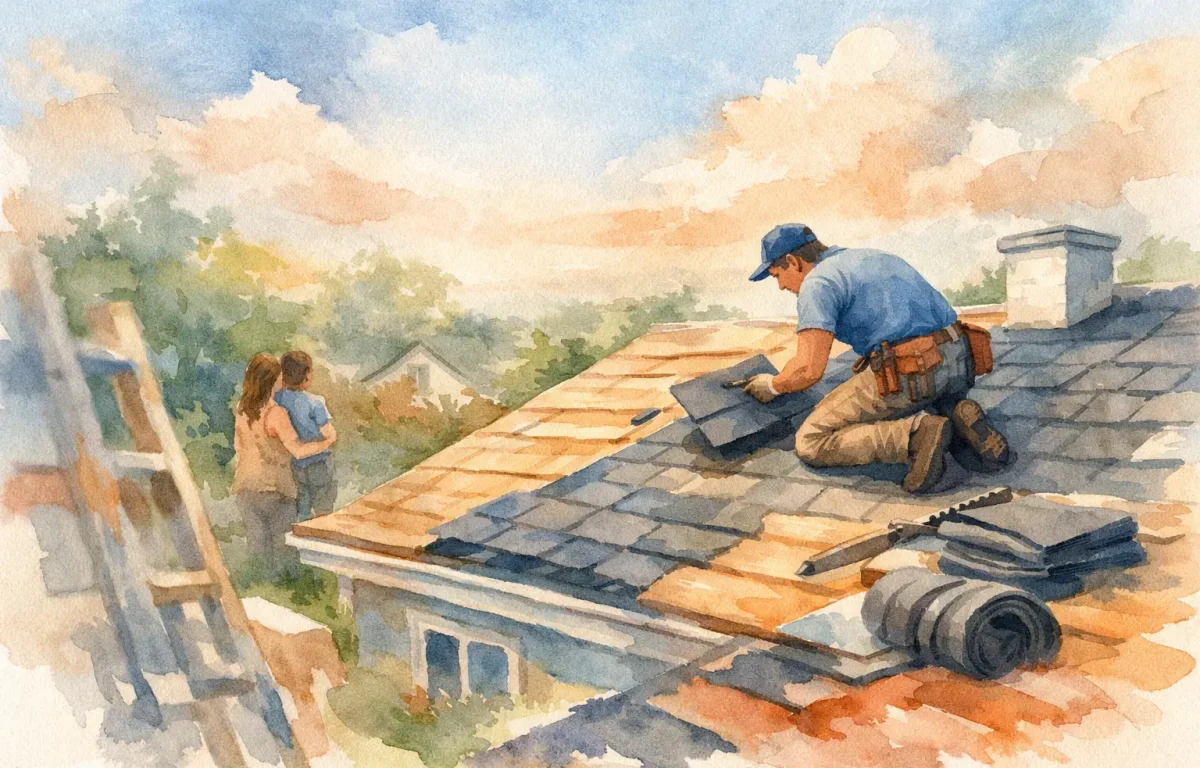
A storm rolls through at 2 a.m., and by sunrise you are staring at shingles in the yard, water stains on the ceiling, and a long list of questions. That is exactly when a roof replacement relief service matters most. For homeowners in Upstate South Carolina, relief is not just about getting a new roof. It is about getting clear answers, fast action, and real help through a stressful insurance and restoration process.
What a roof replacement relief service really means
The phrase can sound vague, so let us make it plain. A roof replacement relief service is a practical, start-to-finish solution for homeowners dealing with roof damage serious enough to require replacement, or close enough that replacement needs to be considered carefully. The relief part comes from reducing the pressure on the homeowner.
That usually means more than tearing off old shingles and installing new ones. It includes a detailed inspection, documentation of storm or impact damage, a written scope of work, help understanding insurance requirements, scheduling the job quickly, protecting the property during construction, and cleaning up thoroughly when the work is done.
For many homeowners, the biggest value is not a single product or step. It is having one responsible team manage the moving parts. When leaks are active or a claim is on the table, delays and poor communication can cost real money.
Why homeowners look for relief after roof damage
Roof problems rarely happen at a convenient time. A lot of people first make the call after hail, high wind, falling limbs, or driving rain. Others have older roofs where one storm pushes the system past the point of repair. In both cases, the stress is the same. You need to protect your home, avoid bigger interior damage, and make smart decisions before the situation gets more expensive.
That is where a roof replacement relief service helps. It brings structure to a moment that usually feels chaotic. Instead of trying to coordinate an inspection, temporary protection, claim paperwork, and replacement timeline on your own, you work with a contractor who knows the process and can keep the project moving.
This matters even more in areas like Laurens, Anderson, Greenwood, Greenville, and Spartanburg, where severe weather can hit hard and fast. Local homeowners do not just need a crew with ladders. They need a contractor who understands storm recovery, local conditions, and how to move from damage inspection to final walkthrough without leaving loose ends.
When repair is enough and when replacement makes more sense
Not every damaged roof needs full replacement. That is an important distinction, and a trustworthy contractor will not blur it. Sometimes a smaller section can be repaired if the damage is limited and the rest of the system still has life left in it.
But there are situations where replacement is the better long-term decision. Widespread wind damage, hail bruising across multiple slopes, repeated leaks, missing or creased shingles, aging materials, or compromised decking can all push the roof beyond a simple patch job. Matching older shingles can also be a problem. If a repair leaves weak areas behind, the lower upfront cost may not save you money for long.
This is where honest inspection matters. A homeowner needs a clear explanation of the trade-offs. Repair may cost less today, while replacement may reduce future leak risk, improve resale confidence, and restore full system performance. It depends on the roof’s age, the type of damage, and how much of the system has been affected.
What should be included in a strong roof replacement relief service
A reliable service should start with a thorough inspection, not a sales pitch. The contractor should check shingles, flashing, ridge caps, vents, drip edge, valleys, gutters, and any signs of decking or ventilation issues. Interior leak evidence should be considered too, because water often shows up far from the actual point of entry.
Good documentation is the next step. If the roof was damaged by a storm, photos, measurements, and written notes help support the case for repair or replacement. Homeowners should also receive a written proposal that explains the scope of work, materials, and expected timeline in plain language.
From there, real relief comes from project management. That includes communicating with the homeowner, coordinating delivery and installation, keeping the site safe, and making sure cleanup is complete. If insurance is involved, support with documentation and process questions can save a lot of frustration. Extreme Roofing is built around that kind of hands-on restoration support, which is why homeowners often look for a full-service partner instead of a basic roofer.
The insurance side of roof replacement relief service
For many storm-damaged homes, insurance is part of the equation. This is also where homeowners often feel the most pressure. Policies, deductibles, inspections, supplements, depreciation, and claim timelines can be confusing if you do not deal with them regularly.
A roof replacement relief service should not promise what the insurance company will approve. No honest contractor can do that. What it should do is help you prepare a strong, well-documented claim and make sure the actual damage is clearly presented.
That support can make a major difference. Missed documentation, unclear photos, or a rushed inspection can slow things down. On the other hand, when a contractor provides detailed evidence and communicates clearly, the process tends to move more smoothly.
Homeowners should also know that insurance does not automatically mean full replacement. Approval depends on the policy and the extent of covered damage. That is why it helps to work with a contractor who is direct about what is likely, what is uncertain, and what the next step should be.
Why local response matters in Upstate South Carolina
After a major storm, timing matters. Water intrusion does not wait for a convenient appointment. Neither do mold growth, ceiling damage, or rotted decking. A local contractor can usually inspect faster, understand the weather patterns that caused the damage, and respond with practical urgency.
There is also accountability. When you hire a licensed, bonded, and insured local company, you are not dealing with a crew that vanishes after the check clears. You are hiring a business that has to stand behind its work in the same communities where it serves homeowners every day.
That local knowledge shows up in other ways too. Roofing systems in this region take a beating from heat, humidity, wind, and sudden storms. Material choices, installation methods, and ventilation details need to fit that reality. Relief is not just getting the job done quickly. It is getting it done right for this climate.
How to tell if a contractor offers real relief or just promises it
The difference usually shows up early. A solid contractor explains the process clearly, inspects the whole exterior system, and puts details in writing. You should know who your point of contact is, what happens next, and how the work will be managed.
Be cautious if the conversation jumps straight to price before inspection, or if the company is vague about licensing, insurance, cleanup, or project supervision. Those gaps often turn into headaches later. The same goes for high-pressure sales tactics. If your roof is damaged, urgency is real, but panic should never be part of the sales strategy.
A dependable roof replacement relief service should make the path forward easier to understand. That includes talking honestly about what they found, what can wait, what cannot, and how the timeline may shift based on weather, material availability, or insurance review.
Relief is about more than the roof itself
A replacement project often affects more than shingles. Storm damage can reach gutters, trims, siding, skylights, and other exterior components. If those pieces are ignored, the home may still be vulnerable even after the main roof is replaced.
That is why homeowners often benefit from working with a contractor who can evaluate the full exterior. A coordinated restoration is usually more efficient than piecing together separate crews for each problem area. It also helps avoid scope gaps where one part of the system fails because another part was overlooked.
For families trying to protect a major investment, that broader view matters. The goal is not just to stop one leak. It is to restore the home in a way that holds up after the next storm too.
Choosing the right time to act
If you suspect serious damage, waiting rarely helps. Small leaks become bigger repairs. Loose shingles become exposed decking. Insurance timelines can also work against homeowners who wait too long to document storm-related issues.
The best move is usually to schedule a professional inspection as soon as you notice warning signs like missing shingles, granules in gutters, stains on ceilings, lifted flashing, or debris impact. Even if the roof does not need full replacement, you will know where you stand.
A good roof replacement relief service gives you that clarity first. It helps you protect the home, understand your options, and move ahead with confidence instead of guesswork.
When your roof has been hit hard, the right help should lower your stress, not add to it. Get the facts, get the damage documented, and work with a team that treats your home like it matters.