
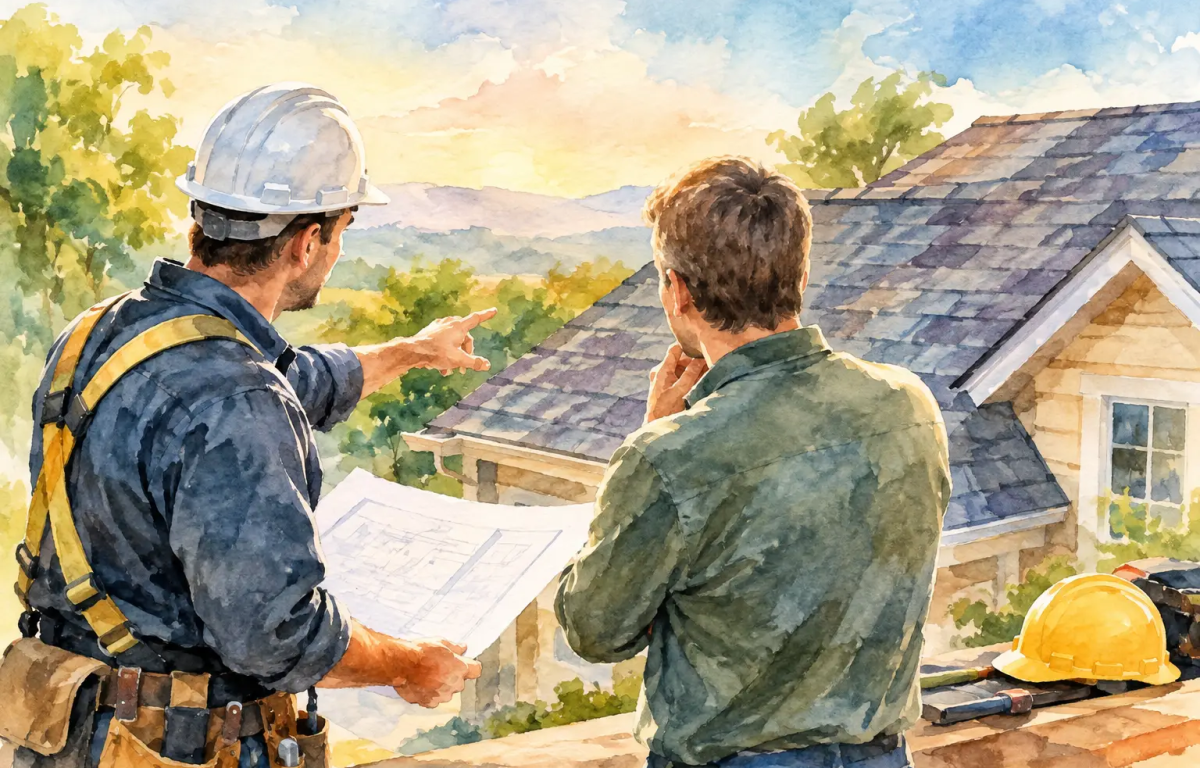
A few missing shingles can look minor from the driveway. After a South Carolina storm, though, that small problem can lead to leaks, damaged decking, stained ceilings, and a complicated insurance claim. Asking the right roofing questions for contractors before work begins helps you separate a qualified restoration partner from someone who is simply looking for the next job.
For homeowners in Laurens, Anderson, Greenwood, Greenville, Spartanburg, and surrounding Upstate communities, the best contractor should be able to explain the damage clearly, provide a written scope of work, and stay accountable through final cleanup. Use these questions during your inspection or estimate so you can make a confident decision while protecting one of your biggest investments.
Roofing Questions for Contractors Before You Hire
Are you licensed, bonded, and insured?
Start here. A contractor should be prepared to confirm that they carry the proper business credentials and insurance coverage for the work they perform. This is not paperwork for paperwork’s sake. Roofing work involves crews, ladders, materials, and the risk of additional property damage if something goes wrong.
Ask for current proof of general liability insurance and workers’ compensation coverage. If a worker is injured and the contractor is not properly covered, the homeowner may face unnecessary risk. A legitimate contractor will not pressure you to skip this question or give you a vague answer.
Local experience matters, too. Upstate South Carolina homes face heavy rain, wind, hail, humidity, and rapid weather changes. A contractor familiar with this area understands how those conditions affect shingles, flashing, gutters, siding, and roof ventilation.
Will you inspect the entire exterior, not just the roof?
Storm damage rarely stays in one place. Wind can lift shingles and damage ridge caps. Hail can bruise shingles, dent gutters, crack siding, and damage skylights. Water may enter around vents, chimneys, flashing, or roof-to-wall transitions.
A thorough inspection should consider the whole exterior system. That does not mean every project needs a full replacement of every component. It means you deserve to know what was damaged, what can be repaired, and what should be monitored.
Ask how the contractor documents findings. Photos, measurements, and clear notes make it easier to understand the recommendation and can be useful when filing an insurance claim. A quick glance from the ground is not a complete storm inspection.
Is repair possible, or do I need a replacement?
This is one of the most valuable questions because the answer depends on the condition of your specific roof. A small, isolated issue may be repaired if matching materials are available and the rest of the roof is in good shape. A roof with widespread wind damage, repeated leaks, brittle shingles, or an aging system may be a better candidate for replacement.
Be cautious if a contractor insists that every roof needs replacement before completing a detailed inspection. The opposite is also true: a cheap patch is not a good value if it only delays a larger failure.
Ask the contractor to explain the recommendation in plain language. You should understand whether the issue is cosmetic, functional, urgent, or likely to worsen with the next hard rain.
What exactly is included in the written proposal?
A verbal price is not enough. Your proposal should spell out the work to be completed, the materials to be used, and the project expectations. It should identify whether the contractor will remove existing roofing, replace damaged decking if needed, install underlayment, address flashing, replace vents, and haul away debris.
Roof replacements can uncover hidden problems once old materials come off. Ask how damaged decking, rotten fascia, or other unforeseen conditions are handled. The contractor may not be able to predict every concealed issue, but they should explain the approval process and pricing before extra work moves forward.
Also ask whether gutters, trim, siding, skylights, and exterior repairs are included or quoted separately. A complete scope prevents surprises and makes it easier to compare estimates fairly.
Which materials do you recommend, and why?
The right roofing material is not always the most expensive one. It should fit your home’s design, your budget, the roof’s pitch, and the weather exposure around your property. Ask about the shingle type, color options, underlayment, ventilation products, ridge caps, flashing, and manufacturer warranty.
A good contractor will explain the difference between material warranties and workmanship warranties. Manufacturer coverage generally applies to product defects under specific conditions. Workmanship coverage relates to how the roof was installed. Both matter, but neither replaces careful installation.
If you are comparing estimates, confirm that the materials truly match. Two proposals may both say “architectural shingles” while including very different underlayment, ventilation, flashing, or installation details.
How will you help with my storm damage insurance claim?
Insurance claims can feel overwhelming when you are already dealing with a leak or visible damage. A storm restoration contractor can inspect the property, document the damage, provide an estimate, and help you understand the repair scope. They may also meet with an adjuster when appropriate.
Still, the homeowner is responsible for the insurance policy and claim decisions. Ask the contractor what support they provide, what documentation they prepare, and how they communicate with your carrier. Be wary of anyone who promises a certain claim result or suggests cutting corners with claim information.
The goal is a properly documented claim and a restoration plan that addresses covered storm damage. Clear communication protects you better than big promises.
Who will manage my project, and how will I receive updates?
You should know who to call once the contract is signed. Ask whether an assigned project manager will oversee the job, inspect the work, coordinate materials, and answer questions. This is especially important if your project includes roofing plus gutters, trim, siding, or skylight repairs.
Ask how the crew will communicate if they find hidden damage or if weather changes the schedule. Roofing is weather-dependent work. A contractor cannot control rain, but they can set honest expectations and protect exposed areas if conditions shift.
A reliable team does not disappear after collecting a deposit. They keep you informed from the estimate through the final walkthrough.
What steps will you take to protect my property?
Roofing is demanding work, but your yard, driveway, landscaping, windows, and outdoor equipment should still be treated with care. Ask how the crew protects these areas during tear-off and material delivery. If you have pets, children, a pool, delicate landscaping, or limited parking, mention that before work starts.
You should also ask about cleanup. Roofing projects create nails, shingle pieces, packaging, and other debris. The contractor should explain how they collect debris, sweep the work area, and use magnetic tools to locate stray nails.
Cleanup is not an extra courtesy. It is part of finishing the job professionally and safely.
What is the project timeline, and what could change it?
A straightforward replacement may move quickly once materials are delivered and the forecast cooperates. Larger projects, insurance approvals, special-order materials, hidden structural repairs, and severe weather can extend the timeline.
Ask for a realistic schedule rather than an unrealistic guarantee. Find out when materials will arrive, how long the active work should take, and whether your home will be protected at the end of each workday. If a roof is actively leaking, ask what immediate measures are available to limit additional interior damage.
Fast response matters after a storm, but rushed workmanship is not the goal. You need a contractor who can move with urgency while keeping installation standards high.
What happens after the work is complete?
The final walkthrough is your chance to review the completed work with the contractor. Ask what they inspect before closing out the project and how warranty information, final documents, and any remaining punch-list items will be handled.
Look at the roof from the ground and, if appropriate, review photos of areas you cannot safely see yourself. Confirm that gutters and downspouts are functioning, flashing details are addressed, and the property has been cleaned. If you have questions, ask them before final payment is made.
Choose Clear Answers Over Fast Talk
The contractor you hire should make a stressful repair feel manageable, not more confusing. Extreme Roofing approaches storm restoration with detailed inspections, written proposals, insurance claim support, and hands-on project oversight because homeowners deserve a clear path from damage to repair.
Keep these questions nearby after the next storm or before scheduling a replacement estimate. The right answers will help you stop leaks, protect your home, and move forward with peace of mind.