
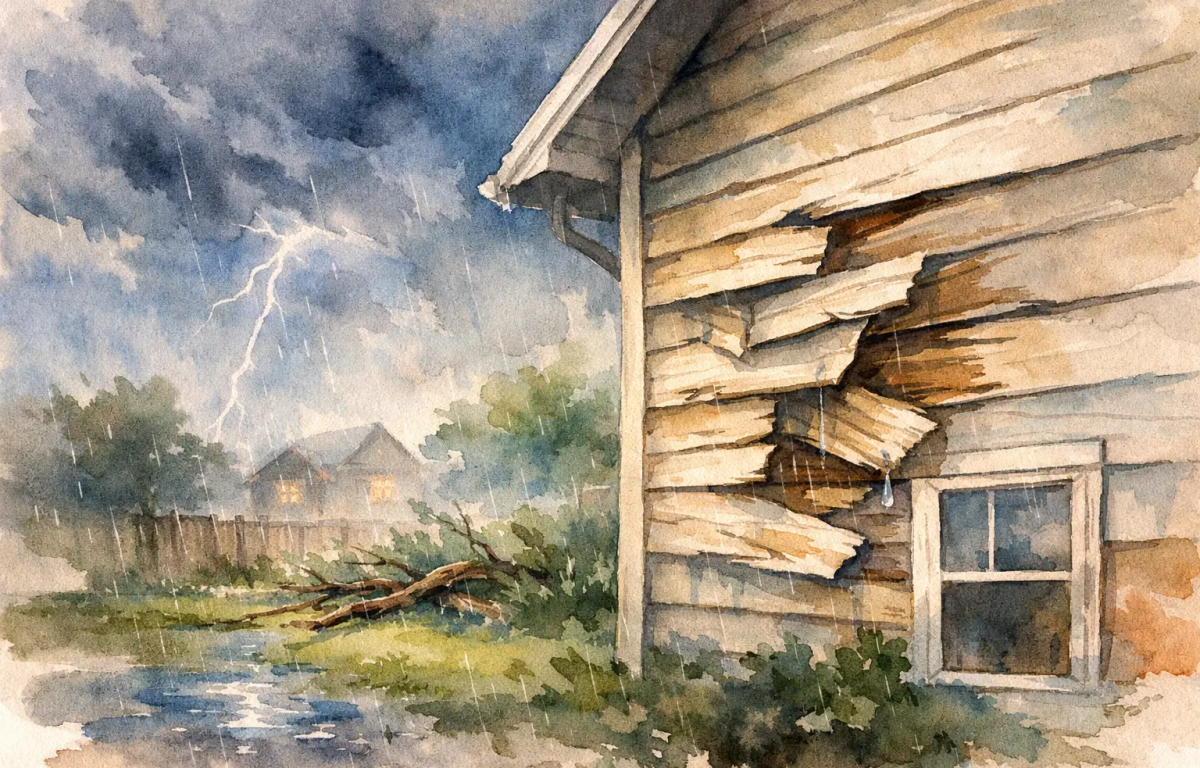
A hard storm can leave more behind than fallen branches and gutter debris. Cracked vinyl, dented aluminum, loosened panels, and holes from flying debris can expose your home to water intrusion fast. So, will insurance pay siding damage? In many cases, yes – but coverage depends on what caused the damage, what your policy says, and how well the claim is documented.
For homeowners across Upstate South Carolina, the biggest mistake is waiting until a small siding problem turns into rot, leaks, or interior damage. A prompt inspection gives you a clear picture of the damage and helps you decide whether filing a claim makes sense.
When Will Insurance Pay for Siding Damage?
Most standard homeowners insurance policies cover sudden, accidental damage from a covered event. For siding, that often includes windstorms, hail, falling trees or branches, fire, and damage caused by flying debris during severe weather.
If a hailstorm dents metal siding or leaves cracks and impact marks in vinyl siding, your insurer may cover the necessary repair or replacement after your deductible. If strong winds pull panels loose or a fallen limb punches through an exterior wall, that is also commonly covered.
The key word is sudden. Insurance is designed for unexpected losses, not routine upkeep. Your adjuster will look at the source of the damage, the condition of the siding before the event, and whether the visible damage affects the home’s ability to shed water and protect the structure.
Coverage may also extend beyond the siding itself. If wind-driven rain enters through storm-damaged panels and damages insulation, drywall, or flooring, those related repairs may be part of the claim. The details depend on your policy and the documented cause of loss.
What Siding Damage Insurance Usually Will Not Cover
Homeowners insurance generally does not pay for siding that has simply reached the end of its service life. Fading from sun exposure, gradual warping, old caulk failures, insect damage, mold caused by long-term moisture, and poor installation are usually considered maintenance issues.
This can be frustrating because older siding may fail during a storm. An insurer may determine that wind exposed a pre-existing problem rather than caused it. That does not mean you should assume your claim will be denied. It means the inspection and documentation matter.
For example, a panel that was loose before a storm may not be covered. But if the storm tore off multiple panels, damaged trim, and left the wall exposed, the resulting storm damage could still qualify. A thorough exterior inspection can separate age-related wear from fresh impact, wind, or debris damage.
Flood damage is another important exception. Standard homeowners policies typically do not cover flooding from rising water or surface water. Separate flood insurance is often required for that type of loss.
The Deductible and Depreciation Can Change the Outcome
Even when siding damage is covered, insurance may not pay the full amount you expect. Your deductible is the portion you pay out of pocket before insurance contributes. If your repair estimate is only slightly above the deductible, filing a claim may not be worthwhile.
Your policy’s settlement terms also matter. Some policies offer replacement cost value, which generally pays the cost to replace covered damaged materials, subject to policy conditions. Others pay actual cash value, which deducts for age and depreciation. Older siding can have significant depreciation, leaving the homeowner responsible for a larger share of the cost.
Ask your insurance company which coverage applies before making decisions based on a rough estimate. It is also wise to understand whether your policy has a separate wind or hail deductible. In some policies, that deductible may be higher than the standard deductible.
Does Insurance Have to Replace All of the Siding?
Not always. Insurance typically pays to repair or replace the siding that was directly damaged by a covered event. If only one wall has damage, the insurer may initially approve work on that wall rather than a full-house replacement.
The challenge is matching. Older siding can fade, be discontinued, or vary by production batch. Replacing a few damaged panels with a noticeably different color or profile can leave the home looking patched together and may affect its value and curb appeal.
Whether insurance pays for matching siding depends on your policy, the available materials, the scope of the damage, and how your insurer interprets applicable requirements. Do not assume a full replacement is automatic, but do not accept an incomplete assessment without evidence either. Photos, manufacturer information, samples, and a contractor’s written explanation can help show when a reasonable match is not available.
A professional contractor should document damage honestly and provide a detailed scope of work. The goal is not to inflate a claim. It is to make sure the insurer sees the full condition of the exterior, including damaged trim, house wrap, flashing, gutters, and areas where water can enter behind the siding.
What to Do After Storm Damage to Your Siding
Start by protecting your home and preserving evidence. Take clear photos and videos from the ground after the storm, including close-ups of cracks, missing panels, dents, debris strikes, and any water stains inside. If it is safe to do so, photograph fallen branches or other objects that caused the damage before they are removed.
Then take these practical steps:
- Prevent additional damage with temporary measures, such as covering an opening or removing a hazardous loose panel. Keep receipts for emergency protection work.
- Schedule a qualified exterior inspection. Storm damage is not always obvious from the driveway, especially on upper walls, gable ends, and trim.
- Review your policy deductible and report the loss promptly if the inspection supports a claim.
- Meet the adjuster with your contractor’s inspection notes and repair scope available for reference.
- Keep copies of photos, estimates, claim correspondence, receipts, and the insurer’s written decisions.
Avoid signing a contract that assigns your insurance benefits or promises a specific claim result before you understand the terms. A reliable contractor can assist with documentation and meet with your adjuster, but your insurer makes the final coverage decision.
Why a Full Exterior Inspection Matters
Storm damage rarely stops at one material. The same wind or hail that damages siding can affect shingles, gutters, window trim, fascia, soffit, skylights, and flashing. Missing a damaged transition between the roofline and wall can create a path for water long after the storm has passed.
That is why a full exterior inspection is more useful than a quick look at the most obvious broken panel. It gives you a complete, written record of the home’s condition and helps prevent separate problems from being overlooked. For homeowners in Laurens, Anderson, Greenwood, Greenville, and Spartanburg, fast action is especially valuable after widespread storms, when insurance adjusters and repair crews are in high demand.
Extreme Roofing helps homeowners document storm-related exterior damage, understand their repair options, and move from inspection to final cleanup with a clear plan. Licensed, bonded, and insured workmanship matters when your home’s weather protection is on the line.
Common Questions About Siding Insurance Claims
Should I file a claim for a few damaged siding panels?
It depends on the repair cost, your deductible, and whether there may be additional storm damage elsewhere on the home. A professional inspection can help you avoid filing a claim for damage that falls below your deductible while identifying larger issues that deserve attention.
How long do I have to file a siding damage claim?
Policies set their own reporting deadlines, and waiting can make it harder to connect visible damage to a specific storm. Report suspected damage as soon as practical, especially if the siding is allowing water into the wall system.
Can I choose my own siding contractor?
In most cases, yes. Your insurance company may recommend contractors, but homeowners commonly have the right to select a qualified contractor they trust. Choose a local company that provides a written proposal, proof of insurance, clear communication, and a defined project process.
A siding claim is not just about replacing what you can see from the street. It is about restoring the protective barrier around your home before the next rainstorm finds the weak spot. Get the damage inspected, keep good records, and make decisions based on the real condition of your exterior – not guesswork.