
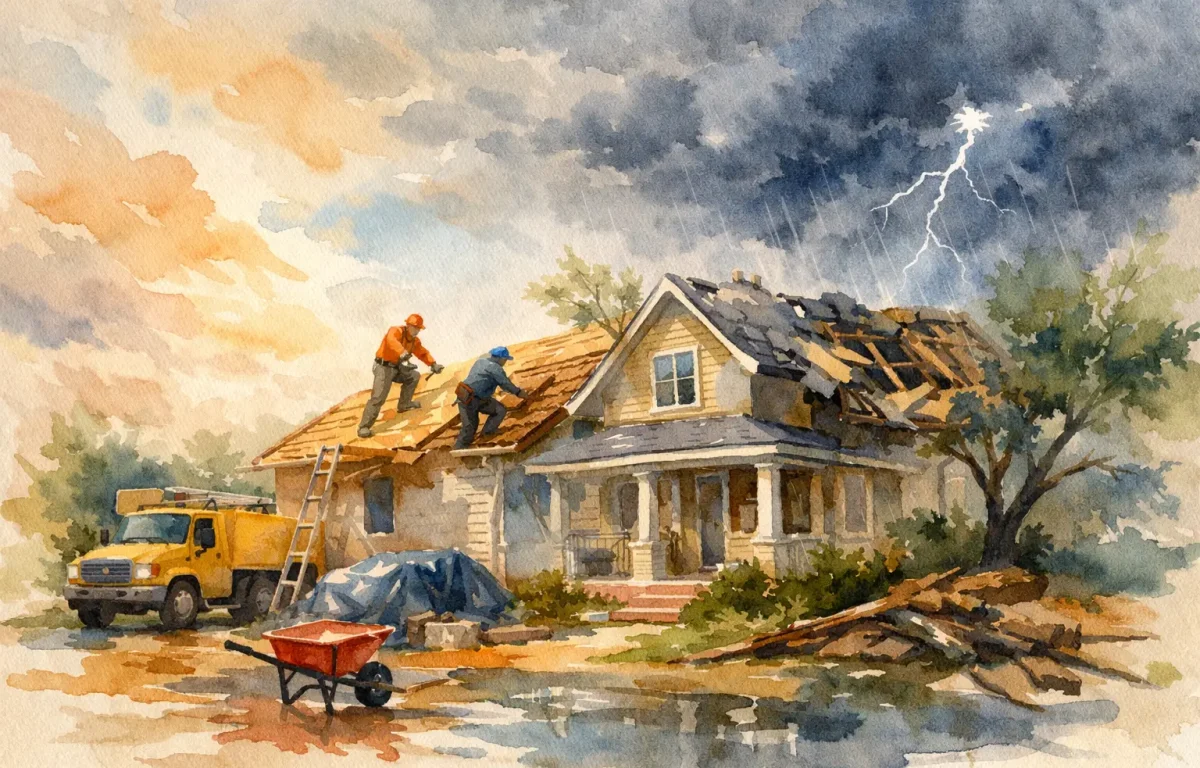
A storm can move through Laurens, Greenville, Anderson, Greenwood, or Spartanburg in an hour and leave problems that stick around for months. A few missing shingles, dented gutters, or a small leak in the attic might not look like a major emergency at first, but that is exactly how bigger damage starts. Professional storm restoration services give homeowners a clear path from first inspection to final repair so the house is protected before hidden issues get worse.
For most homeowners, the hardest part is not just the damage itself. It is figuring out what actually needs repair, what insurance may cover, and how to get the work done quickly without chasing three different contractors. That is why storm restoration is different from a basic repair call. It is a coordinated process built around urgency, documentation, and restoring the whole exterior system, not just patching one visible problem.
What storm restoration services actually include
Storm damage rarely stops at the roofline. Wind can lift shingles, loosen flashing, bend gutters, crack siding, and expose trim. Hail can bruise shingles in ways that are easy to miss from the ground. Heavy rain can push water into vulnerable areas around vents, skylights, valleys, and chimney flashing. In some cases, a tree limb or blown debris creates immediate structural damage that needs emergency attention.
That is why good storm restoration services usually cover more than one trade. A full-service contractor may inspect and repair roof systems, replace damaged shingles or decking, address gutters and downspouts, repair siding and trim, evaluate skylights, and clean up debris after the job is done. For homeowners, that matters. The fewer handoffs there are between companies, the easier it is to keep the project moving and avoid missed damage.
There is also a difference between visible storm damage and functional storm damage. A roof may still look mostly intact from the driveway, but the seal on shingles may be broken, flashing may be bent, or granule loss may shorten the life of the roof. That is why a detailed inspection matters more than a quick glance.
Why fast response matters after a storm
When severe weather passes, timing affects cost. A small opening in the roof can lead to soaked insulation, stained ceilings, wood rot, or mold if water keeps entering the home. Damaged gutters can dump water near the foundation. Loose siding can allow moisture behind the wall system. Waiting a week or two because the damage does not look urgent can turn a manageable project into a more expensive one.
Fast response does not mean rushing into a full replacement every time. It means getting a trained eye on the property quickly, stopping active leaks if needed, and documenting damage while the evidence is still fresh. That last part is especially important if you plan to file an insurance claim.
A local contractor who works in Upstate South Carolina also understands the weather patterns that hit this area. Wind-driven rain, hail, summer thunderstorm damage, and debris impact all show up differently on a home. Local experience helps separate cosmetic wear from storm-related issues that need immediate action.
Storm restoration services and insurance claims
Insurance is often where homeowners feel the most stress. You pay premiums to protect the house, then a storm hits and suddenly you are trying to interpret policy language, document damage, and schedule inspections while your home still needs repairs. A contractor who understands storm restoration can make this process much easier.
That does not mean a contractor replaces your insurance company or public adjuster. It means they can help document the scope of damage, provide a written proposal, identify affected exterior components, and meet on site when an adjuster inspects the property. Clear photos, notes, and measurements can make a big difference in how smoothly the claim moves.
It is also important to be realistic. Not every roof issue will qualify as covered storm damage, and not every claim will be approved the way a homeowner hopes. Honest contractors will tell you that up front. What you want is a company that gives you a factual inspection, explains what they found in plain language, and helps you move forward based on the real condition of the home.
Signs your home may need storm restoration services
Some signs are obvious, like missing shingles in the yard, water spots on ceilings, bent gutters, or a tree branch on the roof. Others are easier to miss. You may notice shingle granules washing out near downspouts, dampness in the attic, lifted metal flashing, cracked siding panels, or water intrusion around skylights.
After hail, the damage can be especially deceptive. The roof may not be leaking right away, but impact marks can weaken the material and shorten its lifespan. Wind damage can be similar. A few loosened shingles may stay in place for the moment, then fail during the next storm.
If your neighborhood was hit hard, an inspection is worth scheduling even if your home looks fine from the street. Storm paths can be uneven, and damage often shows up on slopes that are not easily visible from the ground.
What a dependable restoration process looks like
A strong restoration process should feel organized, not chaotic. It usually starts with a detailed inspection of the roof and exterior, followed by photos, notes, and a straightforward explanation of what was found. If emergency protection is needed, that should happen first to stop further water intrusion.
From there, the homeowner should receive a written proposal that lays out the recommended scope of work. If insurance is involved, the contractor may help coordinate documentation and communicate about approved repairs. Once the project is scheduled, materials are ordered, the crew completes the work, and the property is cleaned up before final walkthrough.
That project management piece is often what separates a professional storm contractor from a company that simply installs shingles. Homeowners are already dealing with enough stress after a major weather event. They should not have to manage every detail themselves.
Choosing the right contractor for storm restoration services
This is not the time to gamble on whoever knocks first at the door after a storm. Out-of-town storm chasers often move in fast, make big promises, and disappear once the checks clear or warranty issues come up. A local, licensed, bonded, and insured contractor gives you more accountability and a better chance of long-term support if anything needs attention later.
Ask practical questions. Will they inspect more than the roof? Do they provide written proposals? Can they help document damage for insurance? Will you have a project manager or direct point of contact? Do they handle cleanup? These are not small details. They affect how smooth the job goes and how well your home is protected afterward.
You also want clear communication about whether repair or replacement makes more sense. Sometimes a targeted repair is the right move. Other times, especially after widespread hail or wind damage, replacing the full system is the better long-term investment. The right answer depends on the age of the materials, the extent of damage, and what is required to restore proper performance.
Why full exterior restoration protects more than the roof
A home works as a system. If the roof is repaired but the gutters are still bent and the siding is still compromised, water can still find a way in. If flashing around a skylight is overlooked, a leak can return even after roof work is complete. Storm restoration works best when the contractor looks at how each exterior component connects to the next.
That is one reason many homeowners prefer a company that can manage roofing, gutters, siding, trims, and skylight-related work under one roof. It reduces delays, keeps responsibility clear, and helps ensure that one repair does not get undermined by another damaged area that was left untouched.
For homeowners across Upstate South Carolina, that kind of complete approach matters. Storms here can hit fast, and the real damage is not always obvious until water shows up indoors. Companies like Extreme Roofing are built around that reality – quick inspections, claim support, skilled exterior repairs, and follow-through from start to finish.
The best time to think about storm recovery is right after the weather clears, not after the stain spreads across the ceiling. If your home took a hit, getting answers early can save money, prevent deeper damage, and help you get back to normal with a lot less guesswork.