
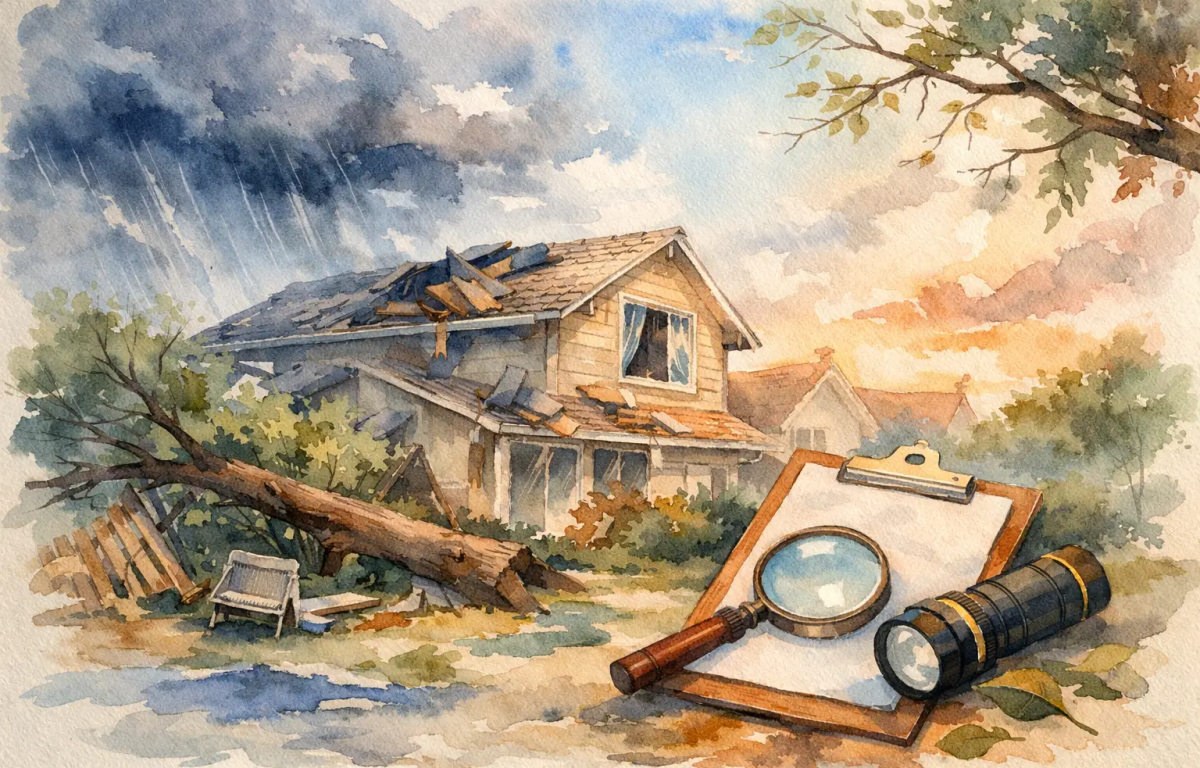
A storm can leave behind more than branches in the yard. A few lifted shingles, a dented gutter, or a small puncture in flashing can create a path for water long before you see a ceiling stain. A professional residential storm damage inspection gives Upstate South Carolina homeowners a clear picture of what happened, what needs attention now, and what should be documented for a possible insurance claim.
The right time to inspect is before a small weather-related issue becomes a costly interior repair. Whether your home was hit by hail, high winds, heavy rain, or fallen debris, a careful inspection protects the home you have worked hard to maintain.
When to Schedule a Residential Storm Damage Inspection
Schedule an inspection after any storm that produces strong wind gusts, hail, a nearby fallen tree, or heavy rain that exposes a leak. You do not have to see shingles in the yard for damage to be present. Wind can break sealant bonds, loosen fasteners, lift shingle edges, and damage ridge caps without leaving obvious signs from the ground.
Hail can be even harder to identify. Small impact marks may look minor, but they can weaken the protective surface of shingles and shorten the roof’s service life. A trained inspector can distinguish hail damage from normal wear, foot traffic, manufacturing defects, and cosmetic marks.
It also makes sense to schedule a residential storm damage inspection if a neighbor’s roof has sustained damage, especially in the same subdivision. Storm paths are often uneven, but nearby repairs can be a useful signal that your home should be checked.
If water is entering the house, do not wait for a convenient time. Move belongings away from the affected area, contain the water if it is safe to do so, and contact a qualified exterior restoration contractor promptly. The goal is to stop active leaks and prevent further damage while the full repair plan is developed.
What a Thorough Inspection Should Cover
A proper storm inspection is more than a quick look at a roof from the driveway. It should evaluate the roof system and the exterior components that work with it to move water away from your home.
The roof surface and vulnerable details
An inspector should look for missing, cracked, creased, lifted, or displaced shingles. They should also check ridge caps, valleys, pipe boots, vents, chimney flashing, wall flashing, skylights, and other penetrations. These areas are common leak points because they rely on properly installed materials and tight seals.
The condition of the decking may also matter. Soft spots, sagging, exposed areas, or signs of moisture can point to damage below the shingles. Not every storm calls for a full roof replacement. In some cases, a targeted repair is the right solution. The decision depends on the extent of the damage, the roof’s age and condition, matching material availability, and whether repairs will properly restore the roof’s weather protection.
Gutters, trim, siding, and drainage
Storm damage rarely stops at the roofline. Gutters can pull loose, dent, clog with debris, or lose the pitch needed to direct water toward downspouts. Damaged fascia or soffit can allow moisture and pests into vulnerable areas around the roof edge.
Siding should be checked for cracks, chips, holes, loose panels, and impact marks. Wind-driven rain can get behind compromised siding, where moisture may affect sheathing and framing over time. A complete exterior inspection considers how each component performs together, not just what is easiest to see.
Interior signs that support the findings
Inside the home, an inspector may ask about water spots, dripping, peeling paint, musty odors, bubbling drywall, or damp insulation in the attic. These signs do not always mean a roof leak, but they help identify where further investigation is needed.
Homeowners should avoid climbing onto the roof or entering an attic with standing water, exposed wiring, or unstable materials. Taking clear photos from the ground and noting when the problem first appeared is useful. Leave the hazardous inspection work to properly insured professionals with the right equipment.
What to Do Before the Inspector Arrives
You do not need to diagnose the damage yourself. A few simple steps can make the inspection and any claim process more organized.
First, photograph visible damage from safe locations. Capture fallen limbs, missing shingles on the ground, dents in gutters, damaged screens, and any interior water staining. If you can, take wide photos that show the affected area in context and closer photos that show the detail.
Next, write down the date of the storm and the time you noticed leaks or other concerns. Keep receipts for emergency measures, such as temporary tarping or water mitigation, when applicable. Do not throw away damaged materials until your contractor or insurance carrier advises you to do so.
Finally, be careful about signing paperwork at the door immediately after a storm. Fast response matters, but so does knowing who is working on your home. Choose a local contractor that is licensed, bonded, insured, and prepared to provide a detailed written proposal. You deserve a clear explanation of the work, the materials involved, the expected schedule, and who will manage the project.
How Storm Damage Claims Support Can Help
Insurance claims can feel overwhelming when you are already worried about a leak or damaged roof. A contractor cannot make coverage decisions for your insurance company, but an experienced storm restoration team can document observed damage, provide repair or replacement estimates, and help you understand the scope of work.
Accurate documentation matters. The inspection report should clearly identify storm-related findings and explain what repairs are needed to restore the exterior system. Photos, measurements, and notes about affected components can help create a more complete record for your claim.
There are trade-offs to consider. Filing a claim for minor damage may not make sense if the repair cost is close to your deductible. On the other hand, waiting too long on legitimate storm damage can allow leaks to worsen and may complicate the documentation process. A professional assessment gives you the facts needed to make a sound decision for your home.
Red Flags That Need Fast Attention
Some issues should move to the top of the list. Active water intrusion, a tree impact, exposed roof decking, detached gutters, loose flashing, or shingles blowing off during continued wind all call for immediate action. Temporary protection may be necessary before permanent repairs can be completed.
Pay close attention to water near electrical fixtures, outlets, or the breaker panel. If water is affecting electrical systems, treat it as a safety issue and contact the appropriate emergency professional. Do not attempt to patch a wet roof in poor weather or place yourself on a ladder during high winds.
For less urgent damage, such as small hail marks or minor gutter dents, an inspection can still be valuable. The damage may be limited, or it may reveal a larger issue that is not visible from ground level. Knowing the difference is the point of having a qualified professional inspect the property.
Choosing a Contractor for Storm Restoration
Storm recovery is not just about replacing shingles. It is about protecting the entire exterior of the home and making sure details are handled correctly from inspection through cleanup. Look for a contractor that explains findings in plain language, provides written documentation, carries proper insurance, and has a process for project oversight.
At Extreme Roofing, homeowners across Laurens, Anderson, Greenwood, Greenville, and Spartanburg can expect a detailed inspection, straightforward recommendations, and support through the restoration process. Whether the solution is a focused repair, a replacement roof, new gutters, siding work, or skylight repairs, the work should be managed with the same goal: restore protection without adding unnecessary stress.
After the next severe storm, trust what you can see, but do not rely on it alone. A timely inspection can catch the hidden damage that threatens your home long after the sky has cleared.