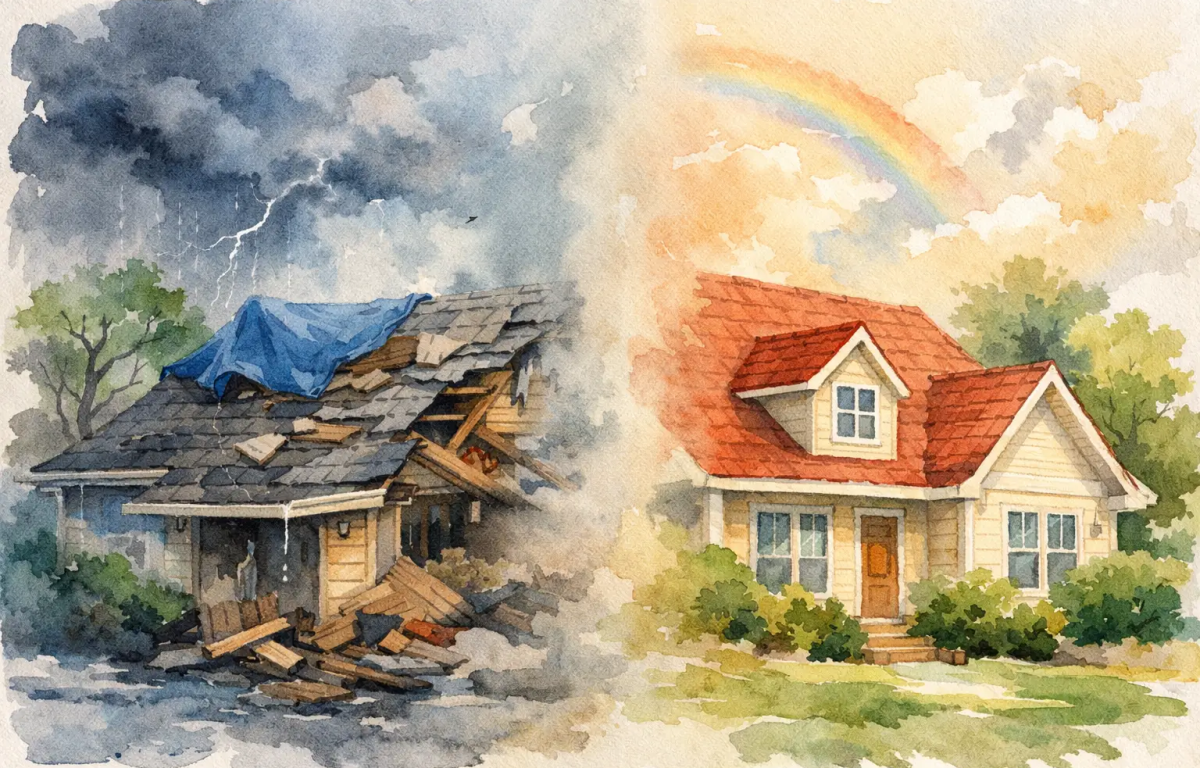
A roof can look worn out for years, then a single hailstorm or wind event turns a manageable concern into an urgent decision. That is where insurance restoration versus retail roofing becomes more than contractor terminology. It determines who pays, what work may be covered, how quickly documentation matters, and how your project should be planned.
For homeowners in Upstate South Carolina, the right path depends on the cause of the damage, the condition of the roof before the storm, and the details of your policy. A dependable contractor should help you understand the difference clearly, without pushing you toward a claim that does not fit the facts.
What Is Insurance Restoration?
Insurance restoration is repair or replacement work tied to a covered, sudden event. In roofing, that often means wind damage, hail impacts, fallen limbs, or other storm-related damage. The contractor’s role is to inspect the exterior, document storm damage, prepare a detailed scope of work, and help the homeowner communicate clearly with the insurance carrier.
The key word is covered. Homeowners insurance is generally designed for accidental losses, not routine aging, deferred maintenance, or a roof that has simply reached the end of its useful life. Missing shingles after high winds may support a claim. Granule loss and brittle shingles on a 20-year-old roof may not, unless a storm caused separate, identifiable damage.
A restoration project can involve more than shingles. A strong storm may damage gutters, fascia, trim, siding, skylights, vents, or flashing. Each item must be inspected on its own merits and included only when storm-related damage is present and coverage applies.
What homeowners should expect during a claim
The process typically starts with a thorough inspection and photographs. If there is evidence of damage, the homeowner files the claim with their insurer. An adjuster inspects the property, and the contractor can be present to discuss the visible damage and proposed scope.
The insurance company makes the coverage decision. Your contractor should never promise claim approval or tell you to exaggerate damage. What they can do is provide accurate documentation, explain construction requirements, identify items that may have been overlooked, and compare the approved scope with the work needed to restore the home properly.
Your deductible still applies. It is the portion of the covered loss that the homeowner is responsible for paying. A contractor offering to hide, waive, or absorb a deductible should raise concerns. Honest restoration work is built on clear paperwork, accurate pricing, and work that matches the approved scope.
What Is Retail Roofing?
Retail roofing is a homeowner-paid roof repair or replacement that is not connected to an insurance claim. You choose the contractor, the materials, the project timing, and the scope based on your home’s needs and your budget.
This route is common when a roof is aging, has recurring leaks, needs better ventilation, or has reached the point where repairs no longer make financial sense. It is also the right choice when storm damage is limited, falls below your deductible, is excluded by your policy, or is not covered by the insurer.
Retail roofing gives you more direct control over upgrades. You may decide to move to a higher-grade shingle, improve attic ventilation, replace aging gutters, add gutter guards, upgrade skylights, or address siding and trim during the same project. Insurance restoration can sometimes include code-related requirements or matching concerns, depending on the policy and local requirements, but retail work lets you set the full vision from the start.
Retail does not mean less urgent
A retail project may be planned, but it should not be delayed when water is getting inside. A small leak can damage insulation, ceiling materials, framing, and personal belongings long before it becomes an obvious interior problem.
If your roof has a persistent leak, exposed decking, damaged flashing, or widespread shingle failure, get it inspected promptly. A repair may be the practical answer. If repairs are becoming frequent or the roof is near the end of its service life, replacement may protect your budget better over the long term.
Insurance Restoration Versus Retail Roofing: The Real Differences
The biggest difference is the cause of the work. Insurance restoration begins with a qualifying loss and a policy review. Retail roofing begins with the condition of the roof and the homeowner’s own investment decision.
Funding works differently, too. With a covered restoration claim, the insurer may pay for approved repairs or replacement after the deductible, subject to policy limits and depreciation. Some policies pay actual cash value, which accounts for the roof’s age and wear. Others may provide replacement cost coverage, often with a portion of payment released after the work is completed and documented.
With retail roofing, there is no adjuster or claim payment schedule. The homeowner receives a written proposal and pays according to the contract terms. That can make the process more straightforward, particularly for an older roof with no recent storm event. It also eliminates the uncertainty of waiting for a coverage decision.
Timing is another practical difference. After a major storm in Greenville, Spartanburg, Anderson, Greenwood, or Laurens, claims should be documented quickly. Waiting too long can make it harder to show the condition of the property after the event, and small openings can worsen with every rainstorm. Retail projects can often be scheduled around your preferences, although active leaks and safety concerns should always move to the front of the line.
When an Insurance Claim May Make Sense
A claim may be worth considering when a recent storm caused visible or suspected damage across the roof or other exterior systems. Common signs include missing or lifted shingles, creased tabs, fresh leaks after wind, hail strikes, dented metal components, damaged gutters, or debris impact.
Not every issue is visible from the ground. Hail damage can be subtle, and wind damage may show up around ridges, slopes, vents, and flashing. That is why a professional inspection matters after severe weather, especially if neighbors are reporting damage or repairs.
Before filing, consider your deductible, your policy terms, the apparent extent of damage, and whether the event is recent enough to document clearly. If the likely repair cost is only slightly above your deductible, a retail repair may be the cleaner choice. If a storm has caused widespread damage requiring full replacement, the claim process may provide meaningful protection for a major unexpected expense.
When Retail Roofing Is the Better Choice
Retail roofing is often the better fit for normal roof aging, installation defects, long-term wear, or maintenance-related problems. It is also appropriate when you want to replace a roof before it fails, rather than wait for another storm season.
A retail replacement can be a smart move for homeowners preparing to sell, protecting a long-term investment, or improving curb appeal and energy performance. The value is not limited to new shingles. Proper underlayment, flashing, ventilation, and edge details all matter when the next Upstate storm arrives.
The right contractor should give you an honest recommendation. If a targeted repair can stop the leak and buy you useful time, you should hear that. If the roof has widespread failure and repeated repairs are becoming a cycle, you should hear that too.
Choose a Contractor Who Can Handle Either Path
Whether your project is insurance-funded or retail-funded, the quality of the work should not change. You need a licensed, bonded, and insured contractor who inspects carefully, explains the findings in plain language, and provides a written proposal before work begins.
Look for a team that can manage the whole exterior, not just install shingles. Storm damage often affects connected systems, and a roof replacement is the right time to evaluate gutters, trim, siding, skylights, ventilation, and flashing. One coordinated project manager helps keep the work organized and gives you a clear point of contact from inspection through final cleanup.
Extreme Roofing helps homeowners across Upstate South Carolina assess storm damage, understand their restoration options, and complete retail projects with the same attention to workmanship and accountability. The goal is simple: stop leaks, protect the home, and leave the property clean when the work is done.
If a recent storm has you wondering what happened overhead, do not make the decision from the driveway. Schedule a detailed inspection, review the facts, and choose the path that gives your home the protection it actually needs.