
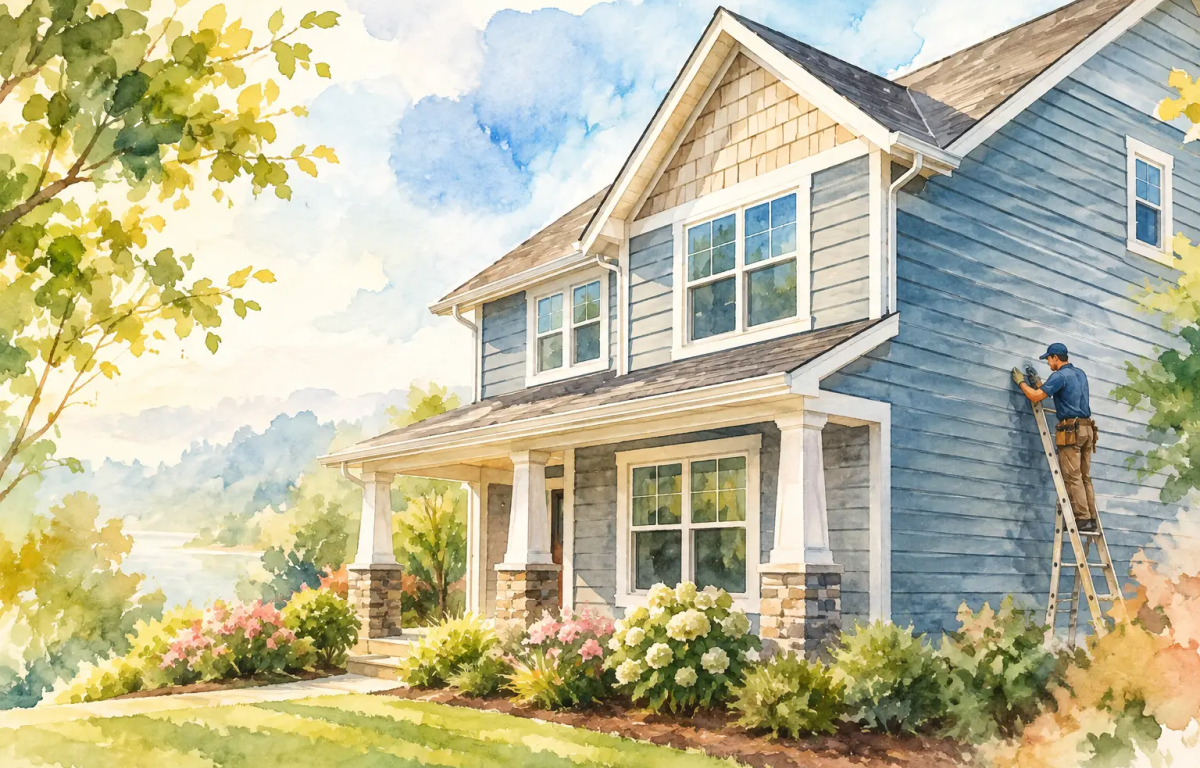
A loose panel after a storm can look like a small cosmetic problem. In Upstate South Carolina, it can also be the first opening that lets wind-driven rain reach the wall beneath it. Quality siding installation is about more than giving your house a fresh look. It is about restoring the protective layer that helps keep moisture, pests, and weather damage out.
For homeowners in Laurens, Anderson, Greenwood, Greenville, and Spartanburg, siding often takes a hard hit from hail, wind, falling limbs, and long stretches of heat and humidity. Acting early can prevent a repairable issue from becoming damaged sheathing, interior staining, or a more expensive restoration project.
When Your Home May Need Siding Installation
Some siding damage is obvious. A branch strikes the house, a panel cracks, or strong winds pull a section loose. Other problems are harder to spot from the ground, especially after hail or heavy rain. That is why a close exterior inspection matters after severe weather.
Watch for cracked, warped, dented, or missing panels. Vinyl siding may develop holes or sharp splits after impact. Fiber cement can chip or crack. Wood may show peeling paint, soft spots, rot, or separated boards. You may also notice loose trim, gaps around windows and doors, or siding that appears wavy instead of flat.
Inside the home, water stains near exterior walls, peeling paint, a musty smell, or unexplained drafts can point to a problem behind the siding. These signs do not always mean full replacement is needed. A localized repair may be the right call if the damage is limited and matching material is available. But when damage is widespread, the siding is aging, or moisture has reached the wall system, replacement is often the better long-term investment.
Why Proper Siding Installation Matters After Storms
Siding is part of a larger exterior system. It works alongside your roof, gutters, trim, windows, and flashing to direct water away from the home. If one part fails, the others can be affected.
A panel installed without the correct clearance, fastening, or flashing can trap water where it does not belong. In humid South Carolina conditions, trapped moisture can lead to rot, mold growth, and damage that stays hidden until it becomes serious. Proper installation creates room for materials to expand and contract while keeping the weather barrier and drainage plane working as intended.
This is especially important around vulnerable areas: window and door openings, roof-to-wall intersections, corners, utility penetrations, and the lower edge of the wall. These details may not stand out from the curb, but they are where workmanship makes the difference between a home that looks finished and one that is truly protected.
Storm damage can also involve more than the siding itself. Hail may strike gutters and trim. High winds can damage roof edges or loosen flashing near a wall. A contractor who looks at the whole exterior can identify related issues before they are covered up or left to worsen.
Choosing the Right Siding for Your Property
There is no single best siding material for every Upstate home. The right choice depends on the home’s style, budget, maintenance expectations, and the condition of the existing exterior.
Vinyl siding remains a practical option for many homeowners because it is cost-conscious, low maintenance, and available in many colors and profiles. It performs well when installed correctly, but it can crack under a hard impact and may fade over time. Matching a small repair to older vinyl can be difficult if the original color has changed with age.
Fiber cement offers a more substantial appearance and can resemble painted wood. It is known for durability and resistance to rot and insects, but it requires skilled handling, correct fastening, and periodic paint maintenance. The material and labor costs are usually higher than vinyl, so it makes sense for homeowners who want its look and long-term performance.
Engineered wood products can provide a warm, traditional appearance with factory-applied finishes. They can be a strong choice when installed and maintained according to the manufacturer’s requirements. Natural wood offers character that other materials cannot fully duplicate, but it needs consistent upkeep in a climate where moisture, insects, and sun exposure can take a toll.
The material matters, but installation matters just as much. A lower-cost option installed with attention to flashing, trim, ventilation, and water management will generally serve a home better than a premium product installed carelessly.
What a Professional Siding Installation Should Include
A dependable project starts before any old siding comes off. The contractor should inspect the damaged areas, review the full exterior, and explain whether repair or replacement makes the most sense. Homeowners deserve a written proposal that clearly identifies the scope of work, materials, and any related trim or gutter needs.
Once work begins, the crew should protect landscaping and nearby surfaces, remove damaged materials carefully, and inspect the wall beneath. This is the point where hidden issues can come to light. Soft or deteriorated sheathing, damaged housewrap, and moisture around windows should be addressed before new siding is installed. Covering those issues may make the house look better for a while, but it does not solve the problem.
The new system should include the appropriate weather barrier, properly integrated flashing, secure trim, and correctly installed panels or boards. Details such as starter strips, corner posts, fasteners, and clearance from roofing or grade are not minor items. They help the siding shed water and hold up through changing temperatures and storms.
After installation, a final walkthrough gives the homeowner a chance to review the work, ask questions, and confirm the job site is clean. At Extreme Roofing, that end-to-end accountability is part of the goal: restore the exterior, address storm-related concerns, and leave the property looking cared for rather than like an active construction zone.
Insurance Claims and Siding Damage
If siding was damaged by a covered storm event, your homeowners insurance policy may help pay for repairs or replacement. Coverage depends on the policy, the cause of damage, the deductible, and the findings of the insurance adjuster. Not every crack, fade pattern, or maintenance issue is an insurance claim.
The best first step is documentation. Take clear photos of visible damage, note the date of the storm if you know it, and avoid throwing away damaged materials before they can be inspected. A professional exterior inspection can help identify storm-related damage and provide the information needed for a claim discussion.
Homeowners should also understand that insurance may address only the damaged sections, while product availability and color matching can affect the final repair plan. If an exact match is no longer made, a partial replacement may look noticeably different from the existing siding. In some cases, replacing a larger elevation or the full siding system is the most practical way to achieve a consistent result. Your contractor can explain the construction options, while your insurer determines coverage.
Protect Your Home Before the Next Storm
Do not wait for a small gap or cracked panel to become a moisture problem inside the wall. After severe weather, walk around the property when it is safe to do so. Look for loose siding, damaged trim, impact marks, and debris that may have struck the home. Check your gutters and roofline as well, since exterior damage often overlaps.
A prompt inspection gives you clear answers and time to make a sound decision. Whether your home needs a targeted repair or complete siding replacement, the right work should leave it ready for the next hard rain, summer storm, and season ahead.