
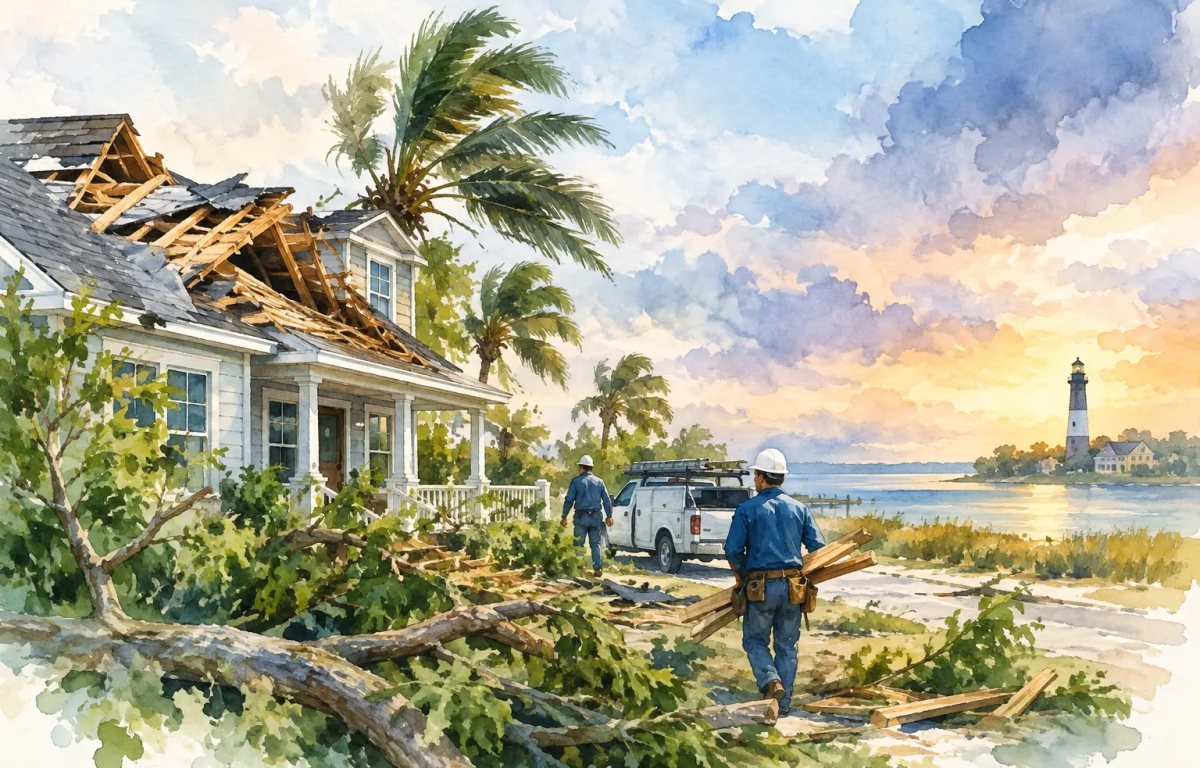
A hard windstorm can damage a home long before you see water on the ceiling. Lifted shingles, loosened flashing, bent gutters, and cracked siding can all create openings that worsen with the next rain. Prompt wind damage restoration gives Upstate South Carolina homeowners a clear path from storm-day uncertainty to a protected, properly repaired exterior.
The first priority is safety. The next is getting accurate answers. A fast, professional inspection can identify what the storm affected, what needs immediate attention, and whether the damage may support an insurance claim.
What Wind Can Damage on Your Home
Wind does not need to tear off an entire roof to cause a serious problem. Strong gusts can break the seal that holds shingles in place, exposing the edges to future wind and rain. A shingle may look mostly intact from the ground but still be creased, lifted, or missing granules that protect it from the sun.
Roof damage is often only part of the picture. Wind-driven debris can damage gutters, fascia, soffit, chimney flashing, skylights, siding, and exterior trim. When gutters pull away from the roofline or become clogged with storm debris, water may overflow against the home instead of draining away as designed.
On older roofs, the storm may reveal wear that was already developing. That does not automatically mean every issue is storm-related, but it does mean a thorough inspection matters. A dependable contractor should explain the difference between new wind damage, normal aging, and maintenance concerns without pushing work you do not need.
Damage That Is Easy to Miss
Some of the most costly damage starts out of sight. Lifted shingles can allow water beneath the roofing system, where it may affect decking, insulation, or interior finishes over time. Loose flashing around vents, chimneys, and skylights can create a small entry point that only leaks during wind-driven rain.
You may also find granules in gutters or at the bottom of downspouts after a storm. Granule loss alone does not prove wind damage, but it is worth mentioning during an inspection. The condition of the shingles, roof slope, and surrounding materials all help tell the full story.
What to Do After High Winds
Do not climb onto a roof to check for damage. Wet surfaces, hidden soft spots, loose materials, and power lines make that a risky job for a homeowner. Instead, walk around your property from the ground when it is safe and take clear photos of anything unusual.
Look for missing or displaced shingles, exposed roof areas, bent or detached gutters, damaged siding, fallen branches, and debris around the property. Inside, check ceilings, attic spaces, and upper walls for fresh stains, damp insulation, dripping, or a musty odor. If water is actively entering the home, move belongings away from the affected area and place a container under the drip if possible.
Then schedule a professional inspection as soon as you can. Waiting may turn a manageable repair into a larger restoration project. It can also make documentation more difficult if another storm passes through and adds new damage.
For active leaks or exposed roof areas, temporary protection may be necessary before permanent repairs can be completed. A tarp or other emergency measure is not a final fix, but it can help limit additional water intrusion while the repair plan and insurance process move forward.
A Practical Wind Damage Restoration Process
A professional restoration process should feel organized, not confusing. It begins with a detailed exterior inspection and a clear explanation of the findings. You should know which components were damaged, what repairs are recommended, and why those repairs matter.
Next comes documentation. Photos, measurements, notes on visible damage, and a written scope of work help create a reliable record. If you plan to file an insurance claim, this information can support the conversation with your carrier and adjuster. Keep your own photos, storm-date notes, receipts for emergency protection, and copies of all communications.
Insurance policies vary, so no contractor can promise a specific claim result. Coverage depends on your policy, deductible, age of materials, cause of loss, and the adjuster’s assessment. What a storm restoration contractor can do is help you understand the visible damage, provide clear repair documentation, and be available to answer questions about the proposed scope.
Once the scope is approved, the restoration work should be scheduled with attention to weather and material availability. Minor wind damage may only require targeted shingle, flashing, or gutter repairs. Widespread damage, brittle shingles, or damage across multiple roof slopes may make replacement the more practical long-term option. The right answer depends on the condition of the entire system, not just one visible spot.
Repair or Replacement: How to Decide
Repair is often a good solution when damage is limited and matching materials are available. Replacing a few shingles, resealing flashing, or rehanging a gutter section can restore protection without replacing a sound roof.
Replacement may make more sense when wind damage is widespread, shingles cannot be matched, the roof is nearing the end of its service life, or repairs would leave multiple weak areas behind. A full replacement also gives the contractor an opportunity to inspect the roof deck and update the complete roofing system, including underlayment and flashing where needed.
Cost matters, but the lowest estimate is not always the lowest risk. A quote should identify the work being performed, the materials being used, cleanup expectations, and how the contractor will handle damaged trim, gutters, or other connected exterior components. Ask questions before work starts, not after the crew arrives.
Why Fast Inspections Matter in Upstate South Carolina
Storms in Laurens, Anderson, Greenwood, Greenville, Spartanburg, and surrounding communities can bring sudden high winds, heavy rain, and falling limbs. A roof that survives the wind may still be vulnerable when the rain arrives hours later. That is why a prompt inspection is about more than finding missing shingles. It is about stopping small openings before they become interior damage.
Fast action also helps homeowners make decisions from a position of control. You can document the condition of the property, take reasonable steps to prevent further loss, and compare a repair recommendation against the visible facts. Delaying because the damage does not look dramatic from the driveway can be expensive.
At the same time, do not let urgency pressure you into signing vague paperwork or accepting a verbal estimate. Choose a licensed, bonded, and insured contractor that provides a written proposal, communicates clearly, and assigns responsibility for the project from inspection through final cleanup.
Questions to Ask Before Hiring a Restoration Contractor
A good contractor will welcome direct questions. Ask whether the company is licensed and insured, whether it performs a full exterior inspection, and whether it can document damage for your records. Confirm who will manage the job, how materials and landscaping will be protected, and what cleanup will look like at the end of each workday.
It also helps to ask about the repair approach. Will the contractor inspect flashing, ventilation, gutters, siding, and skylights along with the shingles? If a roof replacement is recommended, ask why repair is not sufficient. If repair is recommended, ask how the repaired area will be integrated with the existing roofing system.
Clear answers are a sign of accountability. Homeowners should never be left guessing what was found, what will be repaired, or what happens next.
Protect Your Home Before the Next Storm
Routine maintenance can reduce the chance that wind turns a small weakness into a major repair. Keep gutters clear, trim dead or overhanging branches, and address loose shingles or flashing before storm season. After a significant weather event, schedule an inspection even if you do not see an obvious leak.
Your home is one of your largest investments, and storm recovery should not be left to guesswork. Extreme Roofing helps Upstate South Carolina homeowners inspect damage, document concerns, and restore roofs and exterior systems with a straightforward plan. When the wind dies down, the right next step is simple: get the facts, protect the property, and move forward with confidence.