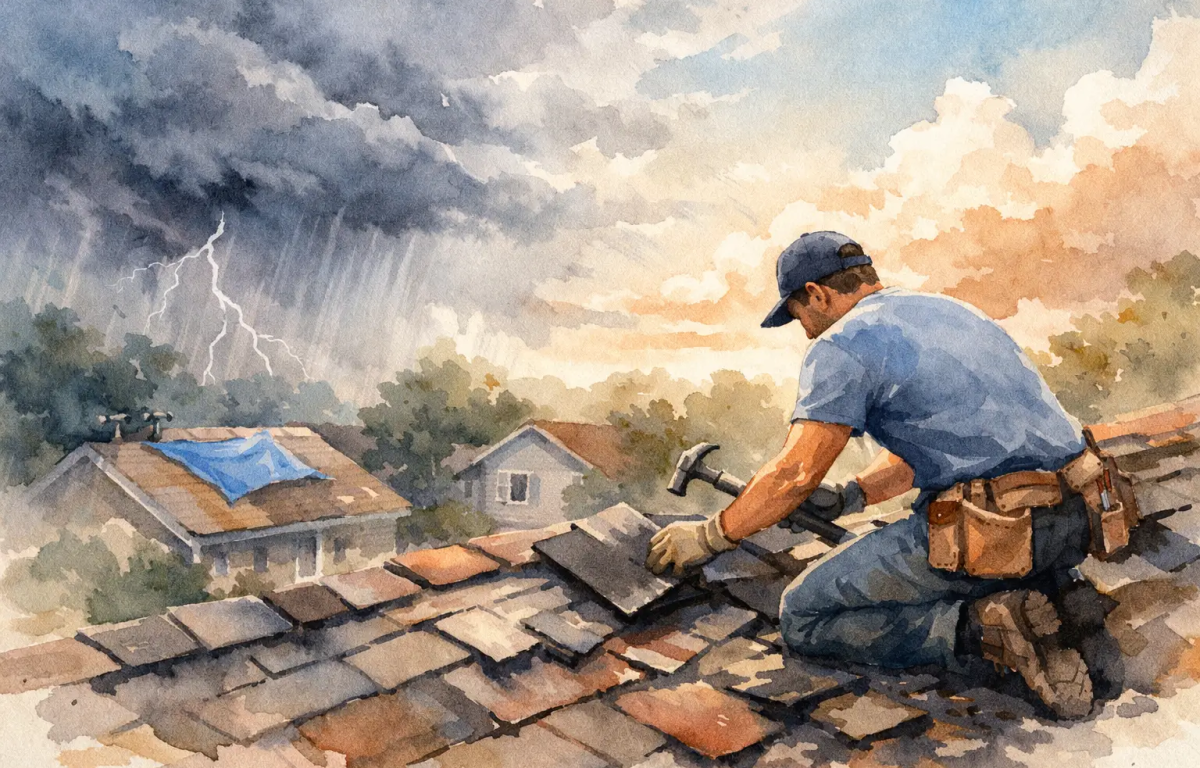
A storm can turn a small roof concern into an urgent decision fast. When shingles are scattered across the yard, water is staining the ceiling, or hail has hit your neighborhood, figuring out how to choose a roofing contractor can feel like one more problem on an already stressful day. The right contractor helps you protect your home, document damage, and move forward with a clear plan. The wrong one can leave you with delays, surprise costs, or work that does not hold up.
For homeowners across Upstate South Carolina, the goal is not simply to find someone who can put shingles on a roof. You need a local professional who can assess the full exterior, communicate clearly, and stand behind the work long after the storm has passed.
Start With Local Credentials You Can Verify
A contractor’s truck, yard sign, or online ad does not prove they are qualified to work on your home. Before discussing colors or scheduling a replacement, ask for proof of licensing, bonding, and insurance. A dependable contractor should be ready to provide this information without hesitation.
Insurance matters for everyone involved. If a worker is injured on your property or the project causes accidental damage, proper coverage helps protect you from being pulled into a costly situation. Ask specifically about general liability and workers’ compensation coverage, then verify that the policies are current.
Local experience matters, too. Upstate South Carolina roofs face heavy rain, wind, hail, humidity, and strong summer heat. A contractor familiar with Laurens, Anderson, Greenwood, Greenville, and Spartanburg understands the storm patterns, common roof issues, and local expectations that affect your project. They should also have a physical business presence and a reachable office number, not just a temporary phone line after a storm.
How to Choose a Roofing Contractor Based on the Inspection
A quality roofing project starts with a thorough inspection, not a quick look from the driveway. The contractor should inspect the roof surface, flashing, vents, penetrations, gutters, and areas where water may have entered the home. If storm damage is suspected, they should look for signs such as lifted shingles, bruised or missing granules, exposed underlayment, damaged ridge caps, and impact marks on metal components.
Be cautious when someone promises a full replacement before completing an inspection. Some damage can be repaired safely. Other damage may affect enough of the roofing system to justify replacement. The honest answer depends on the age of the roof, the extent of the damage, whether materials can be matched, and what your insurance policy covers.
A good inspection should also look beyond the roof. Hail and wind can damage gutters, fascia, trim, siding, skylights, and chimney flashing. Addressing related exterior issues during the same restoration process can prevent future leaks and avoid mismatched repairs later.
Ask the contractor to explain what they found in plain language. Photos, marked-up diagrams, and a walk-through of the damaged areas are helpful. You should understand what needs attention, why it matters, and what may happen if repairs are delayed.
Compare Written Proposals, Not Just Prices
The lowest number is not always the lower-cost project. A vague estimate can leave room for poor materials, skipped steps, or change orders that appear after work begins. Compare proposals line by line so you know what each contractor is actually offering.
A complete written proposal should identify the roofing material and product line, the scope of tear-off, underlayment, flashing work, ventilation, replacement of damaged decking if needed, and cleanup. It should also explain how the contractor will protect landscaping, siding, windows, and driveways during the job.
Do not assume two estimates are equal because both say “roof replacement.” One may include upgraded underlayment, new flashing, permit handling, and a detailed cleanup plan, while the other may not. Ask questions until the scope is clear.
Price still matters. Homeowners deserve honest pricing and a project that fits their budget. But an unusually low bid can be a warning sign if it comes with incomplete paperwork, pressure to sign immediately, or no explanation of the materials and labor included. A fair proposal is detailed, transparent, and tied to the actual condition of your home.
Ask Who Will Manage the Project
Roofing is a major project, even when the work is completed in a day or two. You should know who is responsible for communication, scheduling, material delivery, site safety, and final quality checks.
Ask whether you will have an assigned project manager or a clear point of contact. This matters when weather shifts the schedule, hidden decking damage is found, or you have questions about your property during the work. You should not have to chase down answers while a crew is on your roof.
It is also reasonable to ask who will perform the work. Some contractors use established crews they work with regularly. Others may rely on unfamiliar subcontractors. Either approach can work, but the contractor should remain accountable for workmanship, safety, and the condition of your property from start to finish.
Understand the Insurance Claim Role
After storm damage, many homeowners need help making sense of the insurance process. A roofing contractor can inspect damage, provide repair or replacement documentation, meet with an adjuster when appropriate, and explain the construction side of the estimate.
That support can make a difficult process more manageable. Still, a contractor should not promise a specific claim outcome or tell you that insurance will automatically pay for everything. Your insurer makes coverage decisions based on your policy, the documented damage, deductible, and claim review.
Look for a contractor who is comfortable working alongside the process without overstepping it. They should provide accurate photos, measurements, and a detailed scope of work. If there is a difference between the insurance estimate and the actual work needed to restore the home properly, they should explain it clearly and document the reason.
Never sign paperwork you do not understand, especially if it assigns claim benefits or locks you into a contract before you have reviewed the scope. Take time to read the agreement, payment schedule, warranty terms, and cancellation provisions. A professional contractor will respect that decision-making process.
Check Reputation, References, and Warranty Details
Reviews can help, but read them with a practical eye. Look for patterns involving communication, jobsite cleanliness, responsiveness after a problem, and follow-through on warranty concerns. A contractor with a long list of glowing comments but no specifics is less helpful than one with consistent feedback about completed projects and customer service.
Ask for recent local references when possible. A homeowner who had storm repairs completed a few months ago can tell you how the contractor communicated, handled cleanup, and responded once the final payment was made.
Also separate the material warranty from the workmanship warranty. Roofing manufacturers may offer coverage for product defects under certain conditions. The contractor’s workmanship warranty addresses installation-related issues. Ask how long each warranty lasts, what it covers, what could void it, and how to request service if a concern develops.
Pay Attention to Cleanup and the Final Walkthrough
A roofing job is not complete when the last shingle is installed. Tear-off debris, nails, packaging, and stray materials can create safety issues for families, pets, and vehicles. Ask how the contractor will protect your property during construction and how they will clean up afterward.
A reliable crew should use tarps and other reasonable safeguards, remove debris, and sweep the property with magnets for nails. This is especially important around driveways, walkways, play areas, and landscaping. If gutters, siding, skylights, or trim are part of the project, confirm that each item will be checked before the crew leaves.
Before final payment, schedule a walkthrough. Review the completed roof, ask about ventilation or maintenance recommendations, and make sure you receive warranty information and final paperwork. If something does not look right, bring it up promptly. A dependable contractor wants the opportunity to address concerns and leave your home protected.
Choosing a roofer is ultimately about accountability. Look for a contractor who responds quickly, puts the work in writing, explains the options without pressure, and stays involved through the final cleanup. When your home has taken a hit from severe weather, that kind of steady support can restore more than your roof – it can restore your peace of mind. For homeowners who need that level of storm restoration support, Extreme Roofing is built to manage the process from detailed inspection through final walkthrough.